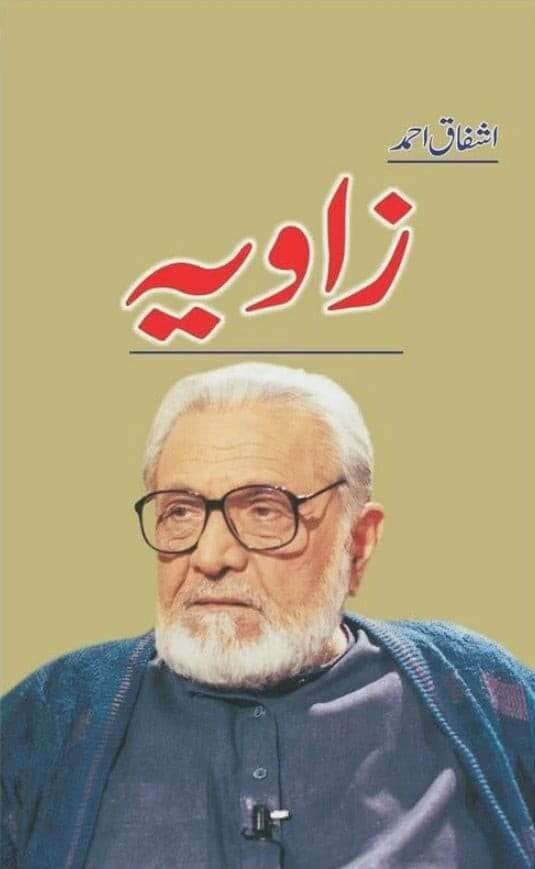
Zaviya By Ashfaq Ahmed
زاویہ: باتوں سے بنی ہوئی ایک روشن بیٹھک
کچھ کتابیں پڑھی جاتی ہیں اور کچھ سنی جاتی ہیں۔ “زاویہ” ان دونوں کے درمیان کی کتاب ہے۔ اس کے صفحات پر لفظ تو چھپے ہیں، مگر پڑھتے ہوئے کانوں میں ایک دھیمی، گھریلو اور اپنائیت بھری آواز گونجتی رہتی ہے، جیسے کوئی بزرگ شام کو چائے کے ساتھ زندگی کے الجھے ہوئے سوالوں پر بات کر رہے ہوں۔ یہ آواز اشفاق احمد کی ہے، اور یہی آواز اس کتاب کی اصل پہچان ہے۔
Zaviya: A Conversation That Became a Book
Some books are read and some are listened to. Zaviya sits between the two. The words are printed on the page, yet as you read, a soft, familiar voice seems to speak in your ears, like an elder talking over evening tea about life’s tangled questions. That voice belongs to Ashfaq Ahmed, and it is the true signature of this book.
کہانی کار سے بزرگ دانشور تک
اشفاق احمد اردو ادب کے ان لکھنے والوں میں شمار ہوتے ہیں جنہوں نے افسانہ، ڈراما، ریڈیو اور ٹیلی ویژن کئی میدانوں میں کام کیا۔ ان کے افسانے “گڈریا” کو اردو کے یادگار افسانوں میں گنا جاتا ہے۔ ان کے ڈراموں اور ریڈیائی تحریروں نے انہیں عام گھروں تک پہنچایا۔ ان کی تحریر میں دیہی اور شہری زندگی کی جھلک، انسانی رشتوں کی نزاکت اور اخلاقی سوالات بار بار نظر آتے ہیں۔
وقت کے ساتھ ان کی دلچسپی صرف کہانی بُننے تک محدود نہ رہی۔ وہ زندگی کے معنی، انسان کے باطن اور سماج کے رویوں پر غور کرنے والے مفکر کے طور پر بھی سامنے آئے۔ “زاویہ” اسی فکری سفر کا ثمر ہے۔ اس میں وہ افسانہ نگار کم اور ایک تجربہ کار رہنما زیادہ دکھائی دیتے ہیں جو اپنی بات منوانے کے بجائے سننے والے کو سوچنے کی دعوت دیتا ہے۔
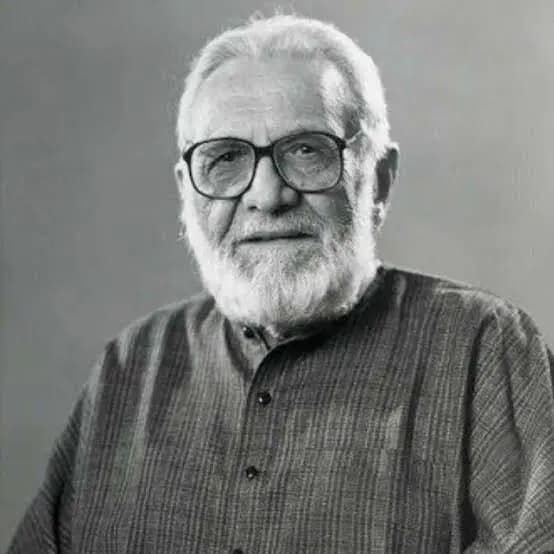
From Storyteller to Elder Thinker
Ashfaq Ahmed is among the Urdu writers who worked across many fields: short stories, drama, radio and television. His story “Gadariya” is counted among the memorable short stories in Urdu. His plays and radio writing carried him into ordinary homes. Again and again his work shows glimpses of village and city life, the delicacy of human relationships, and moral questions.
Over time his interest went beyond building stories. He also emerged as a thinker who reflected on the meaning of life, the inner world of human beings and the attitudes of society. Zaviya is the fruit of that journey. In it he appears less as a fiction writer and more as an experienced guide who invites listeners to think rather than insisting on being agreed with.
اسکرین سے صفحے تک
زاویہ” پہلے پاکستان ٹیلی ویژن کے ایک پروگرام کی صورت میں ناظرین کے سامنے آیا۔ اس پروگرام میں اشفاق احمد بیٹھ کر گفتگو کرتے تھے، اور سامعین یا شرکا بھی اس محفل کا حصہ ہوتے تھے۔ کوئی بھاری بھرکم اسٹیج یا مصنوعی سجاوٹ نہیں تھی۔ ساری کشش بات کہنے کے انداز میں تھی۔ وہ کسی واقعے سے آغاز کرتے، کسی ملاقات کا ذکر چھیڑتے، پھر بات آہستہ آہستہ کسی گہرے نکتے تک پہنچ جاتی۔
یہی گفتگوئیں بعد میں کتابی صورت میں مرتب ہوئیں۔ یہاں ایک بات سمجھنا ضروری ہے۔ بولا ہوا لفظ اور لکھا ہوا لفظ مختلف مزاج رکھتے ہیں۔ بولنے میں وقفہ، لہجہ اور چہرے کے تاثرات بات کو سہارا دیتے ہیں، جبکہ تحریر میں یہ سب نہیں ہوتا۔ “زاویہ” کی خوبی یہ ہے کہ کتابی شکل میں بھی گفتگو کی روانی باقی رہتی ہے۔ پڑھنے والا محسوس کرتا ہے کہ بات اس سے براہِ راست کی جا رہی ہے۔
From Screen to Page
Zaviya first reached audiences as a program on Pakistan Television. Ashfaq Ahmed sat and talked, and listeners or participants were part of the gathering. There was no heavy stage or artificial decoration. All the appeal lay in the way things were said. He would begin with an incident or mention a meeting, and the talk would slowly arrive at a deeper point.
These conversations were later compiled into book form, and this deserves some thought. The spoken word and the written word have different temperaments. In speech, pauses, tone and facial expressions support the message, and in writing they are missing. The strength of Zaviya is that the flow of conversation survives on the page. The reader feels the words are being addressed to them directly.
کتاب کا مختصر تعارف
اس کتاب کے مصنف اشفاق احمد ہیں، زبان اردو ہے، اور صنف کے اعتبار سے اسے گفتگو اور فکری مضامین کا مجموعہ کہا جا سکتا ہے۔ یہ روایتی معنوں میں نہ ناول ہے نہ افسانوں کا مجموعہ۔ اسے سنگِ میل پبلی کیشنز لاہور کی طرف سے شائع کیا گیا ہے۔ اشاعت کے سال، صفحات اور ایڈیشنوں کی تفصیل مختلف نسخوں میں مختلف ہو سکتی ہے، اس لیے قارئین کو خریدتے وقت اپنے نسخے پر درج معلومات دیکھ لینی چاہئیں۔
The Book at a Glance
The author is Ashfaq Ahmed and the language is Urdu. By genre it may be described as a collection of conversations and reflective essays. It is neither a novel nor a story collection in the conventional sense. It has been published by Sang-e-Meel Publications, Lahore. Publication years, page counts and edition details vary between copies, so readers should check the information printed on their own copy when buying.
تین جلدیں، تین پڑاؤ
زاویہ” کئی جلدوں میں دستیاب ہے، اور عام طور پر اسے تین جلدوں کے حوالے سے جانا جاتا ہے۔ ان کی جزوی تفصیلات کے بارے میں احتیاط ضروری ہے، مگر مجموعی مزاج کو یوں سمجھا جا سکتا ہے۔
پہلی جلد قاری کا اس دنیا سے تعارف کراتی ہے۔ یہاں گفتگو نسبتاً سادہ اور گھریلو ہے۔ روزمرہ کے واقعات، لوگوں کے رویے، ادب اور آداب اور زندگی کے چھوٹے چھوٹے مشاہدات ملتے ہیں جن سے بڑے نتائج نکلتے ہیں۔ یہ جلد نئے قاری کے لیے سب سے آسان دروازہ ہے۔
دوسری جلد میں موضوعات کا دائرہ پھیلتا محسوس ہوتا ہے۔ یہاں انسان کے باطنی مسائل، ذہنی الجھنیں، تعلقات کی پیچیدگیاں اور روحانی سوالات زیادہ نمایاں ہیں۔ بات کہنے کا انداز وہی رہتا ہے، مگر سوال زیادہ گہرے ہو جاتے ہیں۔
تیسری جلد میں فکر کی پختگی اور تجربے کی گہرائی اور واضح ہو جاتی ہے۔ زندگی کو دیکھنے کا زاویہ زیادہ ٹھہرا ہوا ہے، اور وہی بنیادی موضوعات، یعنی خدا، انسان اور سماج کا باہمی رشتہ، نئے رنگ میں سامنے آتے ہیں۔
تینوں جلدیں الگ بھی پڑھی جا سکتی ہیں، کیونکہ ہر گفتگو اپنی جگہ مکمل ہے۔ مگر ترتیب سے پڑھنے والا ایک مسلسل فکری سفر کا لطف اٹھاتا ہے۔
Three Volumes, Three Stops
Zaviya is available in several volumes and is generally known through three. Caution is needed about the finer details of each, but their overall temperament can be understood as follows.
The first volume introduces the reader to this world. The talk is relatively simple and homely. It offers everyday incidents, people’s attitudes, manners and etiquette, and small observations from which larger conclusions emerge. It is the easiest doorway for a new reader.
The second volume feels wider in its range. Inner struggles, mental confusions, the complications of relationships and spiritual questions are more prominent here. The manner of speaking stays the same, but the questions grow deeper.
The third volume shows greater maturity of thought and depth of experience. The view of life is steadier, and the same basic themes, the relationship between God, human beings and society, appear in fresh colors.
Each volume can be read on its own, since every talk is complete in itself. Those who read in order, however, enjoy a continuous intellectual journey.
دل اور خدا کا رشتہ: روحانیت کی گھریلو زبان
اس کتاب کا سب سے نمایاں پہلو تصوف اور روحانیت سے اس کا تعلق ہے۔ مگر اشفاق احمد کا تصوف نہ فلسفے کی مشکل اصطلاحوں میں لپٹا ہوا ہے، نہ خانقاہی اجنبیت لیے ہوئے ہے۔ وہ روحانیت کو روزمرہ زندگی کے اندر رکھ کر دکھاتے ہیں۔ شکرگزاری، صبر، قناعت اور اللہ پر بھروسا یہاں کسی وعظ کی صورت میں نہیں آتے بلکہ مثالوں اور واقعات کے ذریعے سمجھائے جاتے ہیں۔
ان کے ہاں اللہ سے تعلق کوئی دور کی عبادت گاہ کا معاملہ نہیں، دل کا معاملہ ہے۔ انسان جب شکایت کے بجائے شکر کی عادت اپناتا ہے تو اس کا دیکھنے کا انداز بدل جاتا ہے۔ یہی پیغام کتاب میں بار بار نئے انداز سے آتا ہے۔
The Heart and God: Spirituality in Everyday Language
The most prominent aspect of the book is its connection with Sufism and spirituality. Yet Ashfaq Ahmed’s Sufism is neither wrapped in difficult philosophical terms nor marked by cloistered remoteness. He places spirituality inside everyday life. Gratitude, patience, contentment and trust in God do not arrive as sermons but are explained through examples and incidents.
For him the relationship with God is not a matter of a distant place of worship but of the heart. When a person adopts the habit of gratitude instead of complaint, the way they see things changes. This message returns in the book again and again in new forms.
آسانی بانٹنے کا فلسفہ
زاویہ کا ایک بنیادی خیال یہ ہے کہ انسان کی بڑائی اس کے علم یا مرتبے سے نہیں، اس کے رویے سے پہچانی جاتی ہے۔ خدمتِ خلق، محبت، معافی اور دوسروں کے لیے آسانیاں پیدا کرنا اس کتاب کے اخلاقی ڈھانچے کے ستون ہیں۔
یہاں معافی کو کمزوری نہیں بلکہ بڑے دل کی علامت کے طور پر دیکھا گیا ہے۔ دوسروں کی غلطی پر فوراً فیصلہ صادر کرنے کے بجائے ان کی مجبوری سمجھنے کی ترغیب ملتی ہے۔ یہ سوچ آج کے تیز رفتار اور بے صبر معاشرے میں خاص طور پر بامعنی ہے، جہاں ہر شخص دوسرے کو پرکھنے میں جلدی کرتا ہے مگر سمجھنے میں نہیں۔
The Philosophy of Sharing Ease
One basic idea of Zaviya is that a person’s greatness is recognized by behavior, not by knowledge or rank. Service to others, love, forgiveness and creating ease for people are the pillars of the book’s moral structure.
Here forgiveness is seen not as weakness but as a sign of a large heart. Instead of passing instant judgment on someone’s mistake, the reader is encouraged to understand their circumstances. This outlook is especially meaningful in today’s fast and impatient society, where everyone is quick to judge others and slow to understand them.
نئی نسل، پرانے رشتے
اشفاق احمد نوجوانوں سے مخاطب ہوتے ہوئے نہ ڈانٹتے ہیں نہ جھنجھلاتے ہیں۔ وہ ان کی بے چینی، سوالات اور الجھنوں کو سمجھنے کی کوشش کرتے ہیں۔ ان کی گفتگو میں بڑوں اور چھوٹوں کے درمیان مکالمے کی اہمیت بار بار اجاگر ہوتی ہے۔
خاندانی تعلقات بھی کتاب کا اہم حصہ ہیں۔ والدین اور اولاد کا رشتہ، میاں بیوی کے درمیان برداشت، بزرگوں کا احترام اور گھر کے ماحول کی اہمیت جیسے موضوعات متعدد جگہ آتے ہیں۔ معاشرتی مسائل پر بھی وہ حل تھوپنے کے بجائے ایک زاویۂ نظر پیش کرتے ہیں، اور شاید اسی لیے کتاب کا نام “زاویہ” رکھا گیا۔ اس نام میں یہ اشارہ ملتا ہے کہ ایک ہی معاملے کو مختلف رخ سے دیکھا جا سکتا ہے۔
New Generation, Old Bonds
When Ashfaq Ahmed speaks to young people, he neither scolds nor loses patience. He tries to understand their restlessness, their questions and their confusions. His talks repeatedly stress the importance of dialogue between elders and the young.
Family relationships are also an important part of the book. The bond between parents and children, tolerance between husband and wife, respect for elders and the atmosphere of the home appear in many places. On social problems too, he offers a point of view rather than imposing solutions, and perhaps that is why the book is called Zaviya, which means “angle” or “perspective.” The title hints that the same matter can be seen from different sides.
مشرق، مغرب اور درمیان کا راستہ
زاویہ میں مشرقی اور مغربی تہذیب کا موازنہ بھی ملتا ہے۔ مصنف مغرب کے نظم و ضبط، قانون کی پاسداری اور وقت کی قدر جیسی خوبیوں کا اعتراف کرتے ہیں، اور ساتھ ہی مشرقی معاشروں کے رشتوں کی گرمجوشی، مہمان نوازی اور روحانی ورثے کی طرف توجہ دلاتے ہیں۔ ان کا انداز نہ اندھی تقلید کا ہے نہ اندھی مخالفت کا۔ وہ چاہتے ہیں کہ انسان اچھی چیز جہاں سے ملے لے لے، مگر اپنی جڑوں کو نہ بھولے۔
East, West and the Middle Path
Zaviya also contains comparisons between Eastern and Western civilizations. The author acknowledges Western virtues such as discipline, respect for law and the value placed on time, and he also draws attention to the warmth of relationships, hospitality and spiritual heritage in Eastern societies. His approach is neither blind imitation nor blind opposition. He wants people to take what is good from wherever it comes, without forgetting their roots.
سادگی کا حسن: اسلوب کی بات
اس کتاب کی اصل طاقت اس کا اسلوب ہے۔ جملے چھوٹے اور سیدھے ہیں، مگر ان کے پیچھے سوچ کی گہرائی ہے۔ مکالماتی انداز قاری کو شریکِ گفتگو بنا لیتا ہے۔ حکایتیں اور روزمرہ کی مثالیں مشکل خیال کو آسان بنا دیتی ہیں۔ کوئی ملاقات، کوئی سفر، کسی عام آدمی کا قول یا کسی بچے کی بات، یہ سب بڑی بات سمجھانے کا ذریعہ بن جاتے ہیں۔
مزاح کی ہلکی سی چاشنی بھی جگہ جگہ ملتی ہے جو سنجیدہ موضوعات کو بوجھل نہیں ہونے دیتی۔ یوں پڑھنے والا اکتاتا نہیں بلکہ بات کے ساتھ ساتھ چلتا رہتا ہے۔
The Beauty of Simplicity: On Style
The real strength of this book is its style. The sentences are short and direct, but behind them lies depth of thought. The conversational manner makes the reader a participant in the talk. Parables and everyday examples make difficult ideas easy. A meeting, a journey, a saying of an ordinary person or a child’s remark can each become a means of explaining a big point.
A light touch of humor appears here and there, keeping serious subjects from becoming heavy. So the reader does not tire but keeps walking along with the talk.
چند فکری اشارے
کتاب کے مختلف مقامات سے جو بنیادی خیالات ابھرتے ہیں، انہیں مختصراً یوں بیان کیا جا سکتا ہے۔
- شکر کی عادت انسان کو اندر سے مالدار بنا دیتی ہے۔
- دوسروں کے لیے آسانی پیدا کرنا اپنی زندگی کو بھی آسان بنا دیتا ہے۔
- علم کے ساتھ عاجزی نہ ہو تو علم بوجھ بن جاتا ہے۔
- رشتے وقت اور توجہ مانگتے ہیں، اور یہ توجہ سب سے بڑا تحفہ ہے۔
- معافی دوسرے سے زیادہ اپنے دل کو ہلکا کرتی ہے۔
یہ کتاب کے اقوال کی لفظی نقل نہیں بلکہ اس کے مجموعی پیغام کا خلاصہ ہے۔ جو قاری اصل الفاظ اور حوالوں سے استفادہ کرنا چاہے، اسے براہِ راست کتاب کی طرف رجوع کرنا چاہیے۔
A Few Intellectual Pointers
The basic ideas that emerge from different places in the book can be summarized briefly as follows.
- The habit of gratitude makes a person rich from within.
- Making things easy for others also makes one’s own life easier.
- Knowledge without humility becomes a burden.
- Relationships demand time and attention, and attention is the greatest gift.
- Forgiveness lightens one’s own heart more than the other person’s.
These are not word-for-word quotations from the book but a summary of its overall message. Readers who want the exact words and references should turn to the book itself.
اردو ادب میں زاویہ کا مقام
اردو میں گفتگو کو ادب کا درجہ دینے کی روایت پرانی ہے، مگر ٹیلی ویژن کی بات چیت کا اس انداز میں کتابی صورت اختیار کرنا کم ہی دیکھنے میں آیا۔ “زاویہ” نے ثابت کیا کہ سادہ زبان میں کہی گئی بات بھی دیرپا اثر رکھ سکتی ہے۔ اس نے ادب اور عام قاری کے درمیان فاصلہ کم کیا اور ان لوگوں کو بھی کتاب سے جوڑا جو بھاری بھرکم ادبی نثر سے گھبراتے تھے۔
معاشرتی سطح پر اس کی اہمیت یہ ہے کہ یہ اخلاقی اور روحانی سوالات کو ایسے انداز میں چھیڑتی ہے جو تلخ نہیں، شفیق ہے۔ یہ کتاب فیصلے سنانے کے بجائے سوچنے کی دعوت دیتی ہے۔ اسی وجہ سے مختلف نسلوں کے قاری اس سے رشتہ جوڑ لیتے ہیں۔
البتہ ایک متوازن مطالعے میں یہ بھی یاد رکھنا چاہیے کہ یہ گفتگو کی کتاب ہے، تحقیقی مقالہ نہیں۔ اس میں ذاتی مشاہدات اور فکری رجحانات غالب ہیں، اس لیے قاری کو ہر بات کو آنکھ بند کر کے ماننے کے بجائے اپنی عقل اور اپنے حالات کی روشنی میں پرکھنا چاہیے۔ اچھی کتاب وہی ہے جو ہمیں سوچنا سکھائے، اور زاویہ اس معیار پر پورا اترتی ہے۔
The Place of Zaviya in Urdu Literature
The tradition of giving conversation the status of literature is old in Urdu, but it is rare for television talk to take book form in this way. Zaviya showed that something said in simple language can have a lasting effect. It narrowed the distance between literature and the ordinary reader, and it connected to books even those who were nervous of heavy literary prose.
On the social level, its importance is that it raises moral and spiritual questions in a manner that is kind rather than bitter. The book does not hand down verdicts; it invites reflection. For this reason readers of different generations form a bond with it.
A balanced reading should also remember that this is a book of conversation, not a research paper. Personal observations and intellectual leanings dominate, so the reader should test each idea in the light of their own reason and circumstances rather than accept everything blindly. A good book is one that teaches us to think, and Zaviya meets that standard.
یہ کتاب کس کے لیے ہے؟
- نوجوان قاری: جو زندگی کے مقصد، کامیابی اور ناکامی کے بارے میں الجھن کا شکار ہیں۔
- والدین اور بزرگ: جو نئی نسل سے مکالمے کے نئے طریقے سمجھنا چاہتے ہیں۔
- ادب کے طالب علم: جو اردو نثر کے سادہ اور مؤثر اسلوب کا مطالعہ کرنا چاہتے ہیں۔
- روحانیت کے متلاشی: جنہیں مشکل اصطلاحات کے بجائے آسان زبان میں بات سننی ہو۔
- عام قاری: جو دن بھر کی تھکن کے بعد کچھ دیر سکون اور سوچ کی غذا چاہتا ہے۔
اس کتاب سے سب سے بڑا سبق شاید یہ ہے کہ زندگی کو دیکھنے کا زاویہ بدل لینے سے بہت سی مشکلیں ہلکی ہو جاتی ہیں۔ شکر، صبر، محبت اور خدمت کوئی بڑے نعرے نہیں، یہ وہ چھوٹے چھوٹے رویے ہیں جن سے انسان کی پہچان بنتی ہے۔
Who Is This Book For?
- Young readers: those confused about life’s purpose, success and failure.
- Parents and elders: those who want to understand new ways of talking with the younger generation.
- Literature students: those who want to study simple and effective Urdu prose.
- Spiritual seekers: those who want to hear about the subject in easy language instead of difficult terminology.
- General readers: those who want some calm and food for thought after a tiring day.
Perhaps the biggest lesson of the book is that changing the angle from which we see life lightens many difficulties. Gratitude, patience, love and service are not grand slogans. They are small attitudes through which a person’s identity is formed.
آخری بات
زاویہ” ایک ایسی کتاب ہے جسے ایک نشست میں ختم کرنے کے بجائے آہستہ آہستہ، رک رک کر پڑھنا چاہیے۔ ہر گفتگو کے بعد کچھ دیر سوچنا اس کے مطالعے کا حصہ ہے۔ اشفاق احمد نے اس کتاب میں اپنی عمر بھر کے تجربے کو سادہ لفظوں میں سمو دیا ہے۔ جو قاری اسے کھلے دل سے پڑھے گا، وہ شاید ہر بات سے اتفاق نہ کرے، مگر اتنا ضرور محسوس کرے گا کہ اس نے کسی مخلص آدمی کی بات سنی ہے۔ ایسی کتابیں کم ہوتی ہیں، اور اسی لیے “زاویہ” آج بھی پڑھی اور پسند کی جاتی ہے۔
Final Word
Zaviya is a book to be read slowly, pausing along the way, rather than finished in one sitting. Thinking for a while after each talk is part of reading it. Ashfaq Ahmed has distilled a lifetime of experience into simple words. A reader who approaches it with an open heart may not agree with everything, but will certainly feel they have listened to a sincere person. Such books are rare, and that is why Zaviya is still read and loved today.