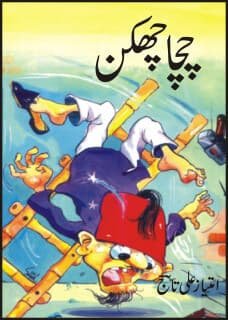
Chacha Chakkan By Syed Imtiaz Ali Taj
ایک تصویر ٹانگنے سے گھر الٹ پلٹ ہونے تک
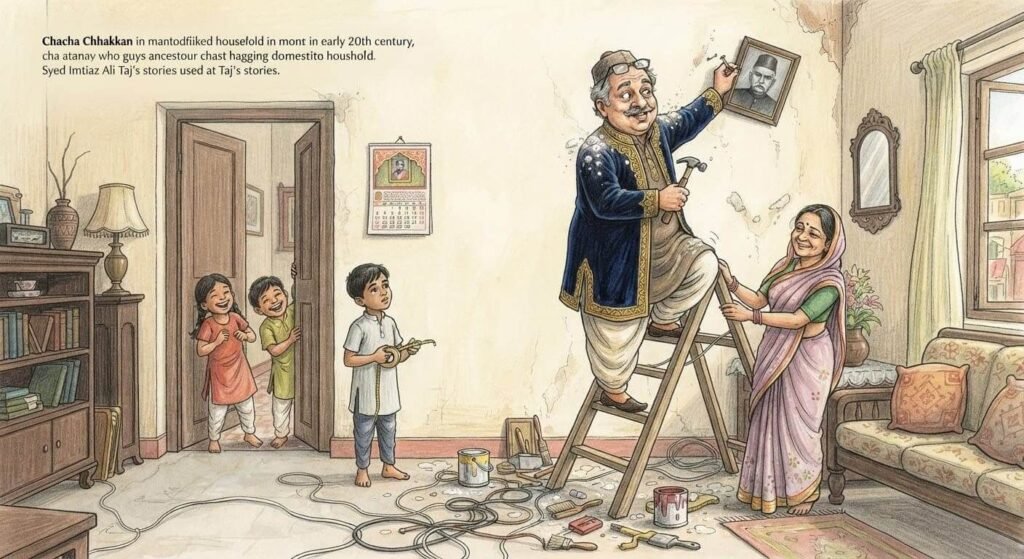
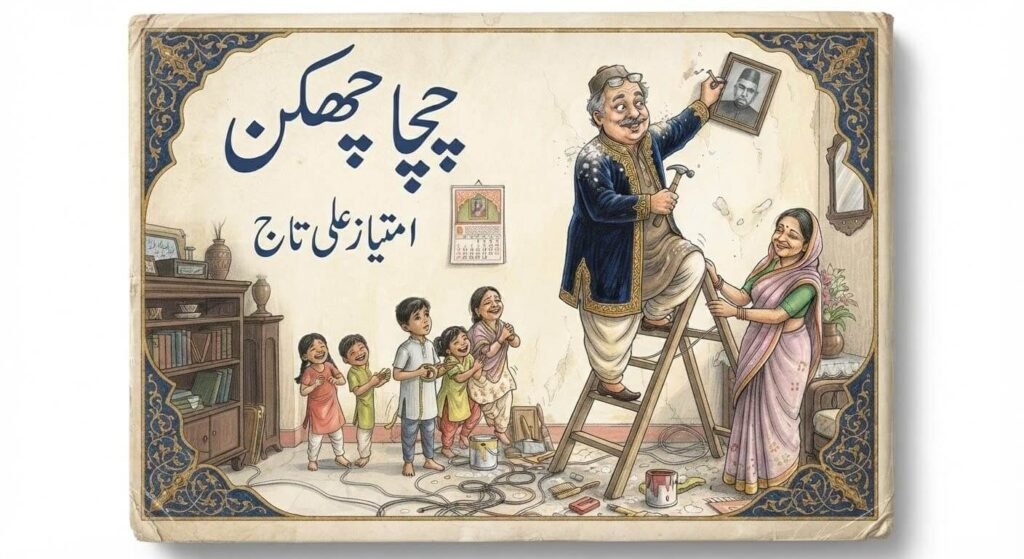
اردو کے بہت سے قارئین کو بچپن کی وہ کہانی یاد ہوگی جس میں ایک بزرگ دیوار پر تصویر ٹانگنے کا اعلان کرتے ہیں اور شام تک پورا گھر درہم برہم ہو جاتا ہے۔ کیل ٹھونکنی ہے، سیڑھی منگوائی جاتی ہے، نوکر دوڑتے ہیں، دیوار میں سوراخ ہو جاتا ہے، اور کوئی بتا نہیں پاتا کہ ایک معمولی سی چوکھٹ نے یہ سارا ہنگامہ کیسے کھڑا کر دیا۔ یہ بزرگ چچا چھکن ہیں اور یہ مزاحیہ کردار اردو ادب میں ہنسی کی ایک زندہ مثال ہے۔ سید امتیاز علی تاج نے کوئی بھاری بھرکم ناول نہیں لکھا اور نہ بادشاہوں پر طنز کیا، بلکہ ایک عام گھر کی عام باتوں کو ایسی مہارت سے قلم بند کیا کہ وہ آج تک تازہ ہیں۔ ان کی یہی سادگی ان کی لمبی عمر کا راز ہے۔
The Man Who Hung a Picture and Rearranged a Household
Every Urdu reader of a certain age remembers a particular afternoon in an ordinary home: a picture needs hanging, a nail needs hammering, and one confident elder insists that the job is simple. By evening, the wall has a hole, the furniture has moved, the servants are exhausted, and nobody can quite say how a single frame caused it all. That elder is Chacha Chakkan, and the story is among the best-loved pieces of Urdu humorous literature. Chacha Chakkan by Syed Imtiaz Ali Taj is not a grand novel or a satire aimed at kings; it is a small domestic comedy, and its smallness is exactly why it has lasted.
گھریلو مزاح کی ایک انوکھی دنیا
چچا چھکن کی کہانیاں الگ الگ اور مکمل ہیں، اسی لیے انہیں کسی بھی ترتیب سے اور کسی بھی عمر میں پڑھا جا سکتا ہے۔ ان کی پیدائش کا قصہ خود ادبی دلچسپی رکھتا ہے۔ عام طور پر کہا جاتا ہے کہ چچا چھکن انگریز ادیب جیروم کے جیروم کے کردار انکل پوڈجر کا اردو جواب ہیں، جو تصویر ٹانگنے کے جھنجھٹ میں پورے گھر کو الجھا دیتا ہے۔ ریختہ پر دی گئی ایک روایت کے مطابق 1944ء میں رسالہ «نیرنگِ خیال» کے مدیر نے عید نمبر کے لیے اس حصے کا ترجمہ مانگا، مگر تاج نے ترجمہ کرنے کے بجائے اسے اپنے ماحول میں نئے سرے سے لکھ دیا۔ قارئین نے پسند کیا تو فرمائش پر مزید تحریریں لکھی گئیں، اور یوں تقریباً دس مضامین میں چچا چھکن کی نجی زندگی کے مختلف رخ سامنے آئے۔
تاریخوں کے بارے میں مختلف ذرائع میں فرق ملتا ہے، اس لیے حوالہ دیتے وقت مستند کتابیات سے تصدیق بہتر ہے۔ البتہ ایک بات میں کوئی شک نہیں کہ اردو مزاح کی روایت میں شوخی، پیروڈی اور مزاحیہ مضمون پہلے سے موجود تھے، مگر ایک ہی بار بار آنے والے کردار کے گرد بُنی ہوئی گھریلو کامیڈی، جو سادہ اور رواں نثر میں لکھی گئی ہو، ایک نیا ذائقہ تھی۔ چچا چھکن قاری کے لیے ادبی تدبیر نہیں بلکہ خاندان کے ایک فرد جیسے بن گئے۔
A Comic Household Takes Shape on the Page
Taj did not plan these pieces as a novel or a series with a running plot. They are self-contained domestic sketches, which is why they can be read in any order and at almost any age. Their origin is itself a small literary story. Chacha Chakkan is generally described as Taj’s Urdu answer to Uncle Podger, the self-important handyman of Jerome K. Jerome’s Three Men in a Boat, whose picture-hanging ordeal turns a household upside down. One account, published by Rekhta, says that in 1944 the editor of the magazine Nairang-e-Khayal asked Taj to translate the Podger passage for an Eid issue. Taj chose instead to rewrite it afresh in an Urdu household, readers asked for more, and roughly ten such pieces followed, each opening another corner of Chacha Chakkan’s private life.
Dating needs care. Catalogues and biographical notes give different years for the earliest pieces and the collected volume, so a student who must cite a first-publication date should check a reliable bibliography rather than trust any single note. What is beyond doubt is the place the stories hold. Urdu humour had a rich tradition of wit, parody and the humorous essay, but a household comedy built on one recurring character, written in plain and lively prose, was a different pleasure. Chacha Chakkan gave readers something close to a family member rather than a literary device.
اعتماد جو ہر مشکل کو چھوٹا سمجھتا ہے
چچا چھکن کی اصل پہچان بے وقوفی نہیں، بلکہ یقین ہے۔ وہ سمجھتے ہیں کہ ہر مسئلہ معمولی ہے اور اسے وہی حل کر سکتے ہیں۔ وہ مشورے سے چڑتے ہیں، ماہرین پر بھروسا نہیں کرتے، اور ہر مشکل کو اپنی عزت کا امتحان سمجھ لیتے ہیں۔ تاج نے انہیں کبھی بدنیت یا قابلِ نفرت نہیں دکھایا، اور یہ ضبط بڑی اہمیت رکھتا ہے۔ قاری ان پر ہنستا ہے مگر محبت کے ساتھ، کیونکہ ان کی ناکامیاں جوش سے پھوٹتی ہیں، شرارت سے نہیں۔
کہانی کا ڈھب ایک مانوس مگر کبھی نہ اکتانے والا خاکہ رکھتا ہے۔ ایک چھوٹا کام شروع ہوتا ہے، تنبیہیں نظرانداز ہوتی ہیں، کام ایک کمرے سے دوسرے کمرے میں پھیلتا چلا جاتا ہے، اور زیادہ لوگ اس میں کھنچتے آتے ہیں۔ آخر میں اصل مقصد ملبے میں گم ہو جاتا ہے۔ تاج کی مہارت اسی بڑھتے ہوئے بکھیڑے میں ہے: ہر قدم اپنی جگہ معقول لگتا ہے اور بے ہودگی چھوٹے چھوٹے منطقی فیصلوں سے آتی ہے۔ یہ گھریلو انداز کا فارس ہے جس میں نہ کوئی ولن ہے اور نہ کوئی حقیقی نقصان۔
Anatomy of a Self-Assured Fool
Chacha Chakkan’s defining trait is not stupidity but certainty. He is convinced that every household problem is a small one and that he alone can solve it. He dislikes advice, distrusts experts, and treats a difficulty as a personal challenge to his dignity. Taj never makes him cruel or contemptible, and that restraint matters. The reader laughs at him with affection, because his failures come from enthusiasm, not malice.
The comedy follows a reliable but never stale pattern. A simple task is announced. Warnings are brushed aside. The task grows, spreading from one room to the next, and more people are drawn in. Finally the original purpose is lost in the wreckage. Taj’s skill lies in the escalation: each step is believable on its own, and the absurdity arrives through small, logical-seeming decisions. This is farce in a domestic key, with no villains and no real harm.
چچی جان، امامی، بوا اور بچے
مزاحیہ ہیرو کو آئینہ دکھانے والے کردار چاہییں، اور چچا کے گھر میں یہ کام چچی جان، نوکر، بچے، امامی اور بوا کرتے ہیں۔ چچی جان، چچا کی بیوی، صبر اور تھکن کی علامت ہیں؛ وہ مصیبت کو آتا دیکھ لیتی ہیں مگر بحث میں کم ہی جیت پاتی ہیں، اور اسٹیج پر بھی وہ واحد کردار ہوتی ہیں جو سنکی نہیں۔ بندو جیسے ملازم ایسے احکام بجا لاتے ہیں جن کے انجام سے وہ پہلے ہی واقف ہوتے ہیں۔ بچے تماشا دیکھتے بھی ہیں، ہاتھ بھی بٹاتے ہیں اور کبھی خود شرارت کا حصہ بھی بنتے ہیں۔ امامی اور بوا بزرگوں کی نمائندگی کرتی ہیں اور کہانیوں کو مشترکہ خاندان کا رنگ دیتی ہیں، جہاں بھرے ہوئے کمرے، آپس میں ٹکراتی رائیں اور مسلسل تبصرے ہیں۔
ان سب کرداروں کو ایک ہم آواز ٹولہ سمجھنا چاہیے۔ وہ چچا کے مقابل نہیں آتے بلکہ انہیں فریم کرتے ہیں۔ ان کا سکون یا گھبراہٹ قاری کو بتاتی ہے کہ ہر نئی مصیبت واقعی کتنی سنگین ہے۔ تاج نے انہیں گہری نفسیات کے بجائے ہلکے ہاتھ سے بنایا ہے، اسی لیے ہر قاری انہیں اپنے ہی گھر میں پہچان لیتا ہے۔
Chachi Jan, Imami, Bua and the Rest of the Cast
A comic hero needs people to react to him, and the household around Chacha Chakkan does that work. Chachi Jan, his wife, is the figure of weary patience, the one who sees disaster coming and rarely wins the argument that might prevent it; even in stage adaptations she is the one character who is not eccentric. Servants such as Bundu pass through the stories carrying out orders they suspect are doomed. The children observe, assist and sometimes cause trouble of their own, while Imami and Bua belong to the older generation of the home and give the stories the texture of a joint family, with its crowded rooms, overlapping opinions and constant commentary.
These characters are best understood as a chorus. They do not compete with Chacha Chakkan for attention; they frame him. Their calm or their alarm tells the reader how serious each new misadventure really is. Because Taj keeps them lightly sketched rather than heavily psychological, they remain easy for readers to recognise from their own families.
تصویر والی کہانی کی دیرپا کشش
تصویر ٹانگنے والی کہانی عموماً سب سے پہلے یاد آتی ہے، اور ڈان کے بچوں کے صفحے نے اردو کی نصابی کتابوں میں اس کی موجودگی کا ذکر کیا ہے۔ ایک معمولی فرمائش سیڑھیوں، اوزاروں اور بڑھتے ہوئے بکھیڑے میں بدل جاتی ہے، اور نوکروں سمیت ہر موجود شخص اس میں کھنچ آتا ہے، جب کہ چچا مسلسل دعویٰ کرتے رہتے ہیں کہ سب قابو میں ہے۔ اس کی کشش ایک طرف اس کی چست ساخت میں ہے، جو سبب اور نتیجے کی ایک مکمل چھوٹی مشین ہے، اور دوسری طرف اس حقیقت میں کہ تقریباً ہر گھر میں کوئی نہ کوئی ایسا فرد ہوتا ہے جو سمجھتا ہے کہ گھر کی مرمت کو مدد کی ضرورت نہیں۔ یہ انکل پوڈجر کی سب سے واضح گونج بھی ہے، اور اسی میں دیکھا جا سکتا ہے کہ تاج نے ایک انگریزی لطیفے کو ترجمے کی اکڑ کے بغیر اردو گھر میں بسا دیا۔
ایک اور کہانی جو اکثر درسی کتابوں میں ملتی ہے «چچا غالب کا دولہا» ہے، جسے مطالعاتی خلاصے ایک خط لکھنے کی مزاحیہ مہم قرار دیتے ہیں، جس میں چچی اور ملازم بھی الجھ جاتے ہیں۔ صفحے سے باہر بھی اس کردار کی زندگی طویل رہی: کراچی کی نیشنل اکیڈمی آف پرفارمنگ آرٹس نے چچا چھکن کے ڈرامے پیش کیے، جیسا کہ ڈان نے 2018ء اور 2019ء میں رپورٹ کیا، اور بعد کے لکھنے والوں نے بھی بچوں کے لیے اس کردار کو برتا، مثلاً قدسیہ زیدی کا «چچا چھکن نے تیمارداری کی»، جو ان کی اپنی تخلیق ہے، تاج کی نہیں۔ میں نے صرف انہی کہانیوں کا ذکر تفصیل سے کیا ہے جن کی تصدیق ہو سکی، کیونکہ کسی کہانی کا خلاصہ اندازے سے لکھنے سے بہتر ہے کہ اسے ناگفتہ چھوڑ دیا جائے۔
Why the Picture-Hanging Story Endures
The tale of the picture is usually the first one people name, and Dawn’s children’s page has noted its place in Urdu school course books. A modest request becomes an operation that draws in everyone present, servants included, while Chacha Chakkan insists he has everything under control. Its appeal is partly structural, a perfect little machine of cause and effect, and partly social, since nearly every family has someone who believes household repair needs no help. It is also the clearest echo of Uncle Podger, which makes it a good place to see how Taj transplanted an English joke into an Urdu home without a trace of translation stiffness.
A second story often met in classrooms is Chacha Ghalib ka Dulha, which study guides summarise as the comic ordeal of writing a single letter, with Chachi and the servants caught up in it. Beyond the page, the character has had a long afterlife: the National Academy of Performing Arts in Karachi staged Chacha Chakkan plays, as Dawn reported in 2018 and 2019, and later writers borrowed him for new children’s pieces, such as Qudsiya Zaidi’s Chacha Chakkan ne Timardari ki, which is hers, not Taj’s. I describe only these stories in any detail because I would rather leave a plot unsummarised than guess at it.
لاہور کا ایک ادبی گھرانا
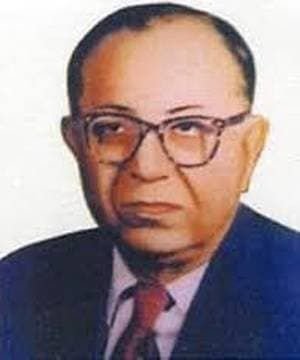
سید امتیاز علی تاج 13 اکتوبر 1900ء کو لاہور میں پیدا ہوئے، ایک ایسے گھرانے میں جو پہلے ہی اصلاح اور ادب میں معروف تھا۔ ان کے والد سید ممتاز علی اصلاحی اور تعلیمِ نسواں کے علم بردار قلم کار تھے، اور والدہ محمدی بیگم خود لکھنے والی تھیں جنہوں نے خواتین کا رسالہ «تہذیبِ نسواں» جاری کیا۔ لکھنا شروع کیا تو «تاج» تخلص اختیار کیا۔ لاہور میں تعلیم، جس میں گورنمنٹ کالج بھی شامل ہے، مکمل کرنے کے بعد وہ والد کے اشاعتی ادارے دارالاشاعت پنجاب سے وابستہ ہو گئے۔
کالج کے دنوں ہی میں ان کا تھیٹر سے لگاؤ ظاہر ہو گیا تھا: انہوں نے انگریزی ڈراموں کے ترجمے اور ہدایت کاری کی اور اس زمانے میں، جب لڑکیاں اسٹیج پر نہیں آتی تھیں، کبھی نسوانی کردار خود ادا کیے۔ کتابوں اور مباحث سے بھرے گھر میں پرورش نے صحافت اور اشاعت کو ان کے لیے تقریباً فطری راستہ بنا دیا۔
From Lahore to the Literary World: Taj’s Early Years
Syed Imtiaz Ali Taj was born in Lahore on 13 October 1900 into a family already prominent in reform and letters. His father, Syed Mumtaz Ali, was a well-known writer and advocate of women’s education, and his mother,
Muhammadi Begum, was a writer and the founder of the women’s journal Tehzeeb-e-Niswan. He adopted the pen name Taj when he began to write. After his education in Lahore, including Government College, he joined his father’s publishing house, Dar-ul-Ishaat Punjab. His college years already showed the theatrical bent that would define him: he translated and directed English plays for the college stage and, at a time when girls did not act in public, sometimes took the female roles himself. Growing up amid print and argument made a life in journalism and publishing almost natural.
صحافت، ترجمہ اور بچوں کا ادب
تاج کا دائرۂ کار غیر معمولی طور پر وسیع تھا۔ انہوں نے بچوں کے رسالے «پھول» اور والدہ کے «تہذیبِ نسواں» سے آغاز کیا، اور تقریباً 1918ء میں دوست مولانا عبدالمجید سالک کے ساتھ ادبی جریدہ «کہکشاں» نکالا۔ «پھول» میں غلام عباس اور نوجوان احمد ندیم قاسمی جیسے ناموں کا تعاون بیان کیا جاتا ہے۔ ان کے نام سے 1919ء میں لاہور سے مہاتما گاندھی کی سوانح بھی منسوب ہے۔
ریختہ کی فہرست میں ان کے تراجم بھی ملتے ہیں، جن میں کارل چاپیک کا ڈراما «آر یو آر» شامل ہے، جس سے ظاہر ہوتا ہے کہ وہ عالمی ڈرامے کو اردو میں لانے کو کتنی اہمیت دیتے تھے۔ بعد میں وہ ریڈیو کی طرف آئے، ریڈیو پاکستان پر مقبول پروگرام «پاکستان ہمارا ہے» پیش کیا، اور «تاج پروڈکشنز لمیٹڈ» قائم کر کے فلموں کے لیے کہانیاں، مکالمے اور اسکرین پلے لکھے۔ چچا چھکن جیسی مزاحیہ تحریر اور بچوں کے ادب میں ایک ہی مزاج کارفرما ہے: صاف، شگفتہ اور ہر عمر کے قاری کے لیے لکھنا۔ ان کی ادارتی کوششوں سے یہ یقین بھی جھلکتا ہے کہ اردو کو ورثے میں ملی اصناف کے ساتھ نئی اقسام کی تحریر بھی چاہیے۔
A Pen in Many Hands: Journalism, Translation and Children’s Writing
Taj’s career was unusually wide. He began with the children’s magazine Phool and his mother’s Tehzeeb-e-Niswan, and around 1918 he started the literary journal Kehkashan with his friend Maulana Abdul Majeed Salik. Writers such as Ghulam Abbas and the young Ahmad Nadeem Qasmi are named among his collaborators on Phool. A biography of Mahatma Gandhi published in Lahore in 1919 is also credited to him. Rekhta’s catalogue lists translations under his name, among them Karel Čapek’s play R.U.R., which suggests how seriously he took bringing world drama into Urdu. He later turned to radio, writing plays and presenting the popular programme Pakistan Hamara Hai on Radio Pakistan, and he founded Taj Productions Ltd., writing stories, screenplays and dialogue for films. His humorous writing, including the Chacha Chhakkan stories, shows the same instinct as his children’s work: to write clearly, warmly and for a mixed audience. His editorial work also reflects a conviction that Urdu needed new kinds of writing, not only the inherited ones.
انارکلی: تاج کا سنجیدہ چہرہ
اگر چچا چھکن تاج کی شگفتگی ہے تو ڈراما «انارکلی» ان کی سنجیدگی۔ یہ شہزادہ سلیم اور درباری رقاصہ انارکلی کی محبت کی روایتی داستان کو ڈرامائی روپ دیتا ہے، اور کتب خانوں کے اندراجات کے مطابق 1931ء تک کتابی صورت میں سامنے آ چکا تھا۔ یاد رہے کہ یہ قصہ تاریخی حقیقت سے زیادہ روایت ہے، اور تاج نے اسے ڈرامے کا مواد بنایا ہے۔
اردو ڈرامے کی تاریخ میں اس کا مقام اس لیے اہم مانا جاتا ہے کہ اس نے زبان کو ایک ایسا ادبی ڈراما دیا جو پڑھا بھی جا سکتا ہے اور کھیلا بھی، اس دور میں جب اردو تھیٹر پر مقبولِ عام تماشوں کا غلبہ تھا۔ اس کی مقبولیت ہی نے تاج کو ادبی حلقوں میں ایک پختہ ڈراما نگار کے طور پر منوایا۔ محبت، اقتدار اور فرض کی کشمکش نے اردو ڈرامے کو المیے کا وقار دیا۔ ایک ہی ادیب کا درباری المیہ اور گھریلو فارس دونوں تخلیق کرنا اس کے دائرۂ فن کی گواہی ہے، اور دونوں میں سہارا کردار اور صورتِ حال ہی کا ہے، آرائش کا نہیں۔
Anarkali and the Stage
If Chacha Chhakkan shows Taj’s lightness, his play Anarkali shows his seriousness. It dramatises the legendary love between Prince Salim and the court dancer Anarkali, and it appeared in book form by 1931 according to library catalogues. It is worth stressing that the story is legend rather than documented history, and Taj treats it as material for drama. Anarkali is widely regarded as a landmark of Urdu drama because it gave the language a literary play that could be read, studied and staged, at a time when Urdu theatre was often dominated by popular stage entertainment. Its success is also credited with establishing him in literary circles as a mature dramatist. Its conflict between love, authority and duty gave Urdu drama a tragic dignity.
That the same writer produced both a tragic court drama and a household farce says something about his range. Both rely on character and situation rather than ornament.
کتابوں سے آگے: ادارہ سازی
تاج کی خدمات صرف تصنیف تک محدود نہیں رہیں۔ وہ لاہور کی مجلسِ ترقیِ ادب سے وابستہ رہے، جو 1950ء میں اردو کی علمی و ادبی اشاعت کے لیے قائم ہوئی اور جس کے وہ 1958ء سے ناظم رہے۔ وہاں ان کی نگرانی میں اردو ادب اور تنقید کی اہم کتابیں دوبارہ شائع ہوئیں۔ ایسا کام کسی مقبول کہانی جیسی شہرت نہیں پاتا، مگر پورے ادبی ماحول کو سہارا دیتا ہے۔
ان کی اہلیہ حجاب امتیاز علی خود بھی معروف لکھنے والی تھیں۔ اپریل 1970ء میں لاہور میں اپنے گھر پر نامعلوم حملہ آوروں کے ہاتھوں ان کا قتل ہوا اور ان کی اہلیہ شدید زخمی ہوئیں۔ یہ ایک ایسے ادیب کا سخت انجام تھا جس کی سب سے مشہور تخلیق اردو کے نرم ترین کرداروں میں شمار ہوتی ہے۔
Building Institutions, Not Just Books
Taj’s contribution extended beyond his own pages. He is remembered for his role in Lahore’s Majlis-e-Taraqqi-e-Adab, the literary institution established in 1950 to promote scholarship and publication in Urdu, which he led as director from 1958. There he oversaw the republication of important works of Urdu literature and criticism. Such work rarely earns the popularity of a beloved story, but it supported the broader literary ecosystem. His wife, Hijab Imtiaz Ali, was herself an admired writer. Taj’s life ended violently in April 1970, when he was killed in his Lahore home by unknown assailants; his wife was seriously wounded. It was a harsh end for a man whose best-known creation is among Urdu’s gentlest.
ایک ہنستا ہوا چچا اور بدلتا وقت
چچا چھکن کی کشش کا راز پہچان ہے۔ گھر بدل جاتے ہیں، آلات بدل جاتے ہیں، مگر ہدایات نہ پڑھنے والے خود اعتماد رشتے دار موجود رہتے ہیں۔ ان کہانیوں کی ہنسی نرم ہے، تیز نہیں، اور ان میں یہ خاموش مشاہدہ بھی ہے کہ گھر قابلیت سے نہیں بلکہ صبر اور محبت سے قائم رہتا ہے۔ قاری سے ان کا مطالبہ صرف توجہ کا ہے، اور وہ اسے ہنسی کی صورت میں لوٹاتی ہیں۔
اردو کے طالب علم کے لیے چچا چھکن یاد دہانی ہے کہ مزاح بھی سنجیدہ فن ہے۔ عام قاری کے لیے یہ ایک دل چسپ دروازہ ہے ایسے ادیب تک جس کا دائرہ المیہ ڈرامے سے بچوں کی شگفتہ تحریر تک پھیلا ہوا تھا۔ تاج کو شاید بجا طور پر ان کی تنوع پسند دین کے لیے یاد کیا جاتا ہے: ایک ایسا ڈراما جو سنگِ میل بنا، ہر عمر کے قاری کے لیے رسالے، اور ایک چچا جس کے ہاتھ میں ہتھوڑا دینا آج بھی خطرے سے خالی نہیں۔