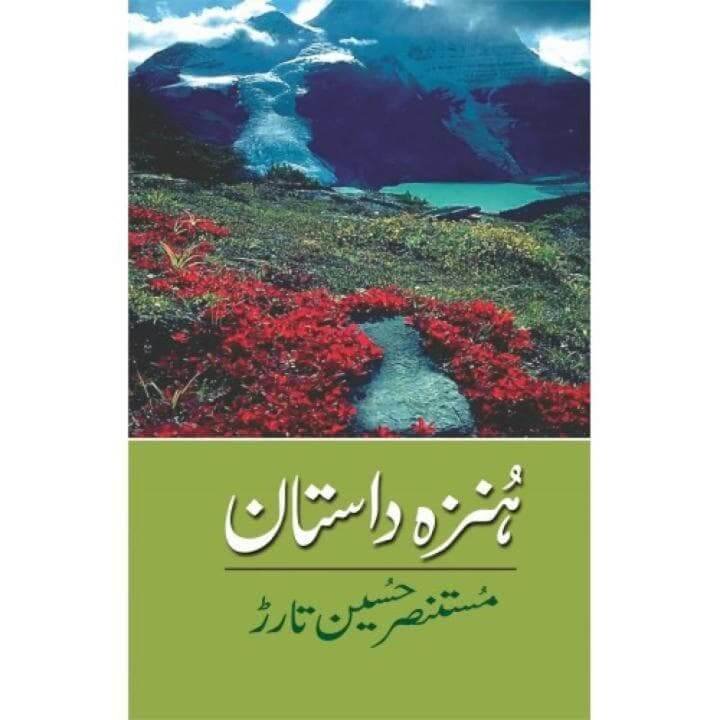
Hunza Dastan By Mustansar Hussain Tarar
When Mountains Become Memories: Hunza Dastan by Mustansar Hussain Tarar and the Art of Urdu Travel Writing
A Valley That Refuses to Stay a Postcard
Most writing about northern Pakistan treats the mountains as scenery: a list of altitudes, a few hotel names, a sunset. Hunza Dastan by Mustansar Hussain Tarar belongs to a different tradition. It is an Urdu travelogue whose interest lies as much in the person who looks as in what is seen. Hunza Valley is the setting, but the real subject is attention: what a writer notices, what he remembers, and how he turns a place into something a reader can carry away.
That is why the book deserves a serious reading and not a tourist’s glance. Pakistani travel literature has produced many accounts of the north, yet few treat a landscape as a conversation between geography, history and a restless human mind.
Book at a Glance
- Type: Urdu travelogue (safarnama)
- Author: Mustansar Hussain Tarar
- Publisher: Sang-e-Meel Publications, Lahore
- Length: 295 pages in the catalogued editions
- Related title: Chitral Dastan, another of his books on the northern areas (Wikipedia)
Library records and online listings give different publication years for different editions, so none is stated here.
The Man Behind the Voice
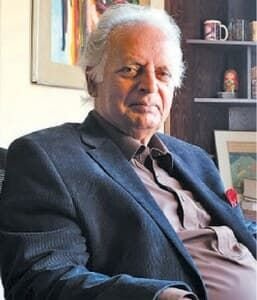
Mustansar Hussain Tarar was born on 1 March 1939 in Jokalian, in the Mandi Bahauddin district of Punjab. He is one of the most widely read figures in contemporary Urdu literature: a novelist, travel writer, columnist, former actor and television host. Many Pakistanis first knew him through Pakistan Television’s morning transmission, and he is often described as the first presenter of that format in the country. He is also a keen trekker and mountaineer, which matters for a book about the north.
His first travelogue, Nikley Teri Talash Mein (1971), recorded his travels in Europe, and titles such as Andalus Mein Ajnabi and Khanabadosh followed. As a novelist he is best known for Pyar Ka Pehla Shehr (1976), set in Paris, and for the more serious Bahao and Raakh. His honours include the Pride of Performance and the Sitara-i-Imtiaz.
What readers mention most is his tone. He writes like someone talking to you, with digressions, private jokes and sudden tenderness. He rarely stands apart as a neutral observer. He appears in his own pages as a curious, sometimes comic, often moved traveller, and this quality helped generations of Urdu readers trust his accounts of mountains and cities alike.
His connection with Pakistan’s north runs through much of his work, and Hunza Dastan sits within it. This article does not claim specific incidents from the book. It describes the temperament his writing is known for: a writer for whom a valley matters partly because of the people and memories attached to it.
The Road That Leads Into Another World
No account of Hunza can avoid the Karakoram Highway. It climbs along the Indus and Gilgit rivers through some of the most unstable and dramatic terrain on earth, where great mountain ranges meet. Built jointly by Pakistan and China and opened in the late 1970s, it is often called an engineering feat. It also carried a human cost. Hundreds of workers died during construction, and the figures usually cited run to more than eight hundred Pakistani and dozens of Chinese lives, though sources differ on exact numbers.
For a travel writer, the road is more than transport. It is a threshold. A traveller feels distance as time: the slow hours, the cliffs overhead, the river far below. A literary travelogue can make that slowness part of the story, and the reader begins to understand why arrival in Hunza feels like crossing into a different register of life.
Hunza Through the Eyes of a Storyteller
Hunza is crowned by peaks that have become shorthand for Pakistani mountain scenery. Rakaposhi rises to about 7,788 metres. Ultar Sar, above Karimabad, stands near 7,400 metres. Ladyfinger Peak points above the valley with a sharpness that explains its name. Karimabad, the valley’s principal settlement, sits on terraces from which all of this is visible.
The difficulty for any writer is that mountains defeat adjectives. After a few paragraphs, snow and rock begin to sound alike. The better route, long favoured by travel writers, is to describe how a place changes the person standing in it: the hush, the cold, the small embarrassment of feeling tiny. A reader who has never seen Rakaposhi can still imagine the experience when the writing records a human reaction and not a measurement.
History Hidden Within Ancient Settlements
Hunza is also an old political and cultural world. Baltit Fort, above Karimabad, has roots going back many centuries and served as the seat of the Mirs of Hunza. Its restoration, carried out with the Aga Khan Trust for Culture, saved one of the region’s most recognisable buildings. Altit Fort, older in its origins, stands nearby and reflects the same ruling tradition.
Hunza remained a princely state until 1974, and the region lay on routes connected to the wider Silk Road network, where goods, people and ideas moved between South and Central Asia. A travelogue that notices these layers lets the reader see that the valley was never cut off, however remote it feels today. Many details of local history are debated, so a careful reader should treat any single narrative with some caution.
People, Language, Ordinary Days
Places become real through their inhabitants. Hunza’s people are often described as hospitable, and many visitors report generosity. A fair account, however, avoids turning a community into a stereotype. Hunza has farmers, teachers, shopkeepers, students and people who have left and returned, each with a different story.
Some facts are safe to state. Burushaski, spoken in parts of Hunza, is considered a language isolate with no demonstrated relationship to other known languages. Apricots are central to local agriculture and food, eaten fresh and dried. Education has received strong emphasis in the region. Stories of extraordinary longevity among Hunza residents, however, have never been scientifically established, and a responsible reader should be wary of them.
Beyond Karimabad: Upper Hunza
Further north the valley opens into Gojal. Gulmit and Passu are small settlements set against the jagged Passu Cones, among the most photographed formations on the highway. Attabad Lake came into existence in 2010, when a massive landslide dammed the Hunza River, flooding parts of the valley and cutting the highway. The lake is both a tourist attraction and a reminder of a disaster that displaced local families. Borith Lake, near Gulmit, offers a quieter setting. The road ends at Khunjerab Pass, a high border crossing with China at roughly 4,700 metres.
These places make a point about travel writing: the same lake can be a view or a loss, depending on whose eyes are on it.
The Literary Craft
What separates a travelogue from a guidebook is the writing itself. Tarar’s work is known for conversational humour, for moving between personal feeling and historical reference, and for letting a scene pause long enough for an emotion to settle. Humour keeps a long mountain narrative from turning solemn, and memory gives places a depth the eye alone cannot supply.
This discussion describes his recognised style in general terms and does not quote specific lines. Readers who want to judge his technique should watch how his narration shifts between playfulness and reflection.
Who Should Read Hunza Dastan
The book will suit readers of Urdu literature who enjoy a strong narrative voice, and travellers who prefer atmosphere to itineraries. It also suits students of Pakistani history and culture, and readers of nature writing who want place and people together. Those looking only for practical travel advice may find a guidebook more useful.
A Thoughtful Closing
A good travelogue does something photographs cannot. It keeps the weather of a place, the mood of an afternoon, the way a conversation drifted. Long after the road is behind us, it lets a reader return. Hunza Dastan belongs to that kind of writing, and Mustansar Hussain Tarar’s standing in Urdu travel writing rests on this ability to make a valley feel remembered and not merely visited.
ہنزہ داستان: جب مستنصر حسین تارڑ کے قلم نے پہاڑوں کو زبان دی
ایک وادی، ایک داستان
سفر کرنا ایک بات ہے اور سفر کو لکھنا بالکل دوسری۔ بہت سے لوگ پہاڑوں تک پہنچتے ہیں، مگر کم لوگ انہیں ایسے بیان کر پاتے ہیں کہ پڑھنے والا اپنی کرسی پر بیٹھے بیٹھے برف کی ٹھنڈک محسوس کرنے لگے۔ مستنصر حسین تارڑ کی کتاب «ہنزہ داستان» اسی دوسری قسم کی تحریر ہے۔ یہ اردو سفرنامہ وادی ہنزہ کو محض سیر گاہ نہیں سمجھتا، بلکہ اسے ایک ایسی جگہ کے طور پر دیکھتا ہے جہاں تاریخ، لوگ اور قدرت ایک دوسرے سے الجھے ہوئے ہیں۔
کتاب ایک نظر میں
• نوعیت: اردو سفرنامہ
• مصنف: مستنصر حسین تارڑ
• ناشر: سنگ میل پبلی کیشنز، لاہور
• صفحات: لائبریری ریکارڈ کے مطابق 295
• متعلقہ کتاب: شمالی علاقوں پر ان کی ایک اور کتاب «چترال داستان
مختلف ایڈیشنوں میں سالِ اشاعت مختلف ملتا ہے، اس لیے یہاں درج نہیں کیا گیا۔
تارڑ: ایک مانوس آواز
مستنصر حسین تارڑ یکم مارچ 1939 کو جوکالیاں، ضلع منڈی بہاؤالدین میں پیدا ہوئے۔ ان کا شمار پاکستانی ادب کے ان لکھنے والوں میں ہوتا ہے جنہیں نئی اور پرانی، دونوں نسلیں پڑھتی ہیں۔ وہ ناول نگار ہیں، سفرنامہ نگار ہیں، کالم لکھتے ہیں، اداکاری اور میزبانی کر چکے ہیں، اور پاکستان ٹیلی وژن کی صبح کی نشریات کے ذریعے گھر گھر پہچانے گئے۔ پہاڑوں میں ٹریکنگ اور کوہ پیمائی سے ان کا شوق بھی معروف ہے، جو شمالی علاقوں پر ان کی تحریروں کو ایک الگ وزن دیتا ہے۔
ان کا پہلا سفرنامہ «نکلے تیری تلاش میں» (1971) یورپ کے سفر پر مبنی تھا۔ اس کے بعد «اندلس میں اجنبی» اور «خانہ بدوش» جیسی کتابیں آئیں اور اردو سفرنامہ نگاری میں ان کی پہچان مضبوط ہوئی۔ ناول میں «پیار کا پہلا شہر» (1976) بے حد مقبول ہوا، جبکہ «بہاؤ» اور «راکھ» کو سنجیدہ ادبی حلقوں میں اہم سمجھا جاتا ہے۔ انہیں تمغۂ حسنِ کارکردگی اور ستارۂ امتیاز سے نوازا جا چکا ہے۔
ان کی تحریر کی سب سے نمایاں بات شاید یہ ہے کہ وہ قاری سے بات کرتے ہیں، اسے لیکچر نہیں دیتے۔ ان کے ہاں شگفتگی ہے، ذاتی مشاہدہ ہے، اور کبھی کبھی اچانک ایسا موڑ آتا ہے جہاں مزاح کے بیچ ایک گہرا جملہ دل میں اتر جاتا ہے۔ ہنزہ داستان اسی سلسلے کی ایک کڑی ہے۔ یہاں کتاب کے کسی مخصوص واقعے یا اقتباس کا دعویٰ نہیں کیا جا رہا؛ بات صرف ان کے معروف اسلوب کی ہے۔
شاہراہِ قراقرم: راستہ جو خود ایک کہانی ہے
ہنزہ تک پہنچنے کا سب سے بڑا ذریعہ شاہراہِ قراقرم ہے۔ یہ سڑک دریائے سندھ اور دریائے گلگت کے ساتھ ساتھ ان پہاڑی سلسلوں سے گزرتی ہے جہاں دنیا کے بلند ترین سلسلے ایک دوسرے کے قریب آ ملتے ہیں۔ پاکستان اور چین نے مل کر اسے بنایا، اور ستر کی دہائی کے آخر میں یہ کھلی۔ اس کی تعمیر میں سینکڑوں مزدور اور انجینئر جان سے گئے؛ پاکستانی کارکنوں کی تعداد عام طور پر آٹھ سو سے اوپر بتائی جاتی ہے، تاہم مختلف ذرائع میں اعداد مختلف ملتے ہیں۔
سفرنامہ نگار کے لیے ایسی سڑک محض راستہ نہیں ہوتی۔ وہ فاصلے کو وقت میں بدل دیتی ہے۔ ہر موڑ پر چٹان سر پر اور دریا پاؤں تلے ہوتا ہے، اور مسافر کو پتا چلتا ہے کہ منزل تک پہنچنا بھی اپنی جگہ ایک تجربہ ہے۔
راکاپوشی سے بلتت تک
ہنزہ کی فضا میں راکاپوشی، التر سر اور لیڈی فنگر جیسی چوٹیاں ایک مستقل پس منظر بنی رہتی ہیں۔ راکاپوشی تقریباً سات ہزار سات سو اٹھاسی میٹر بلند ہے۔ کریم آباد، جو وادی کا مرکزی قصبہ ہے، انہی چوٹیوں کے سائے میں آباد ہے۔
اس سے اوپر بلتت قلعہ ہے جو صدیوں تک میرِ ہنزہ کی حکمرانی کی علامت رہا۔ آغا خان ٹرسٹ فار کلچر کی کوششوں سے اس کی بحالی ہوئی۔ قریب ہی التت قلعہ ہے جو اس سے بھی قدیم سمجھا جاتا ہے۔ ہنزہ انیس سو چوہتر تک ایک ریاست رہا، اور یہ علاقہ قدیم شاہراہِ ریشم سے جڑے راستوں کے قریب تھا۔ جو مصنف ان تہوں کو دیکھ لے، وہ وادی کو الگ تھلگ نہیں، بلکہ صدیوں پرانے رابطوں کا حصہ دکھا سکتا ہے۔ البتہ مقامی تاریخ کی کئی باتوں پر اختلاف بھی ہے، اس لیے احتیاط لازم ہے۔
لوگ، زبان اور روزمرہ
کسی جگہ کو زندہ لوگ بناتے ہیں۔ ہنزہ کے باسی مہمان نوازی کے لیے مشہور ہیں اور بہت سے سیاح اس کی گواہی دیتے ہیں، مگر انصاف کا تقاضا ہے کہ پوری آبادی کو ایک سانچے میں نہ ڈالا جائے۔ وہاں کسان بھی ہیں، استاد بھی، دکاندار بھی اور وہ نوجوان بھی جو پڑھنے باہر گئے اور لوٹ آئے۔
بروشسکی زبان، جو ہنزہ کے کچھ حصوں میں بولی جاتی ہے، ماہرینِ لسانیات کے نزدیک ایک منفرد زبان ہے جس کا کسی دوسری معلوم زبان سے تعلق ثابت نہیں ہوا۔ خوبانی مقامی خوراک اور زراعت کا اہم حصہ ہے۔ تعلیم کو اس علاقے میں خاص اہمیت دی جاتی رہی ہے۔ البتہ ہنزہ والوں کی غیر معمولی لمبی عمر کے قصے سائنسی طور پر ثابت نہیں، اور انہیں حقیقت سمجھ لینا درست نہ ہوگا۔
بالائی ہنزہ: پاسو، گلمت اور عطا آباد
شمال کی طرف بڑھیں تو وادی گوجال میں داخل ہو جاتی ہے۔ گلمت اور پاسو کے چھوٹے گاؤں تیز دھار پاسو کونز کے سامنے بسے ہیں، جن کی نوکیلی چوٹیاں شاہراہ کے سب سے مشہور مناظر میں شمار ہوتی ہیں۔ عطا آباد جھیل دو ہزار دس میں ایک بڑے لینڈ سلائیڈ سے بنی جس نے دریائے ہنزہ کا راستہ روک دیا، وادی کے کچھ حصے زیرِ آب آ گئے اور شاہراہ منقطع ہو گئی۔ آج وہ ایک سیاحتی مقام بھی ہے اور ان خاندانوں کی یاد بھی جو بے گھر ہوئے۔ بورِتھ جھیل گلمت کے قریب نسبتاً خاموش جگہ ہے، اور آخر میں درۂ خنجراب ہے جو تقریباً چار ہزار سات سو میٹر کی بلندی پر چین کی سرحد پر واقع ہے۔
یہی اس سفر کی گواہی ہے کہ ایک ہی جھیل کسی کے لیے منظر ہو سکتی ہے اور کسی کے لیے نقصان۔
اسلوب کی بات
تارڑ کے قلم کی خوبی یہ سمجھی جاتی ہے کہ وہ تاریخ کے حوالے اور ذاتی احساس کو ایک ہی بہاؤ میں لے آتے ہیں۔ شگفتگی ان کی تحریر کو بوجھل ہونے سے بچاتی ہے، اور یادداشت مناظر کو گہرائی دیتی ہے۔ ان کے ہاں منظر کشی کا مقصد مرعوب کرنا نہیں ہوتا، بلکہ یہ دکھانا ہوتا ہے کہ ایک جگہ انسان کے اندر کیا بدلتی ہے۔ یہاں اس اسلوب کا ذکر عمومی ہے، کسی اقتباس کا نہیں۔
کسے پڑھنی چاہیے
یہ کتاب ان قارئین کے لیے موزوں ہے جو پاکستانی ادب اور اردو سفرنامے سے محبت رکھتے ہیں، جو معلومات کے ساتھ احساس بھی چاہتے ہیں، اور جو تاریخ، ثقافت اور فطرت کو ایک ساتھ پڑھنا پسند کرتے ہیں۔ جنہیں صرف عملی سفری معلومات درکار ہوں، ان کے لیے کوئی رہنما کتاب زیادہ کارآمد رہے گی۔
آخر میں اتنا کہنا کافی ہے کہ اچھا سفرنامہ منزل کو یادداشت میں بدل دیتا ہے۔ راستہ ختم ہو جائے، مگر وادی قاری کے ساتھ چلتی رہتی ہے۔