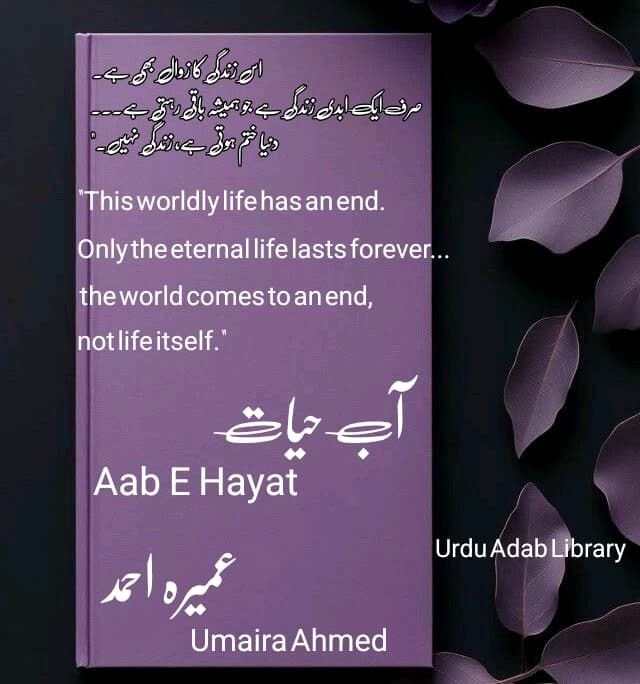
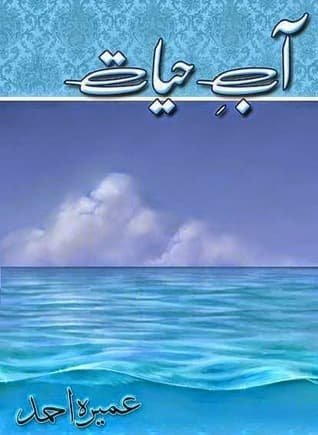
Aab E Hayat by Umaira Ahmed
Basic Book Details
Attribute. Details
- Title Aab-e-Hayat (آبِ حیات — The Water of Life)
- Author Umaira Ahmed (عمیرہ احمد)
- Language. Urdu
- Genre. Spiritual Fiction, Social Drama, Romance
- Serialization. Khawateen Digest (خواتین ڈائجسٹ)
- Prequel. Peer-e-Kamil (پیرِ کامل)
- Total Pages. ~650–675 pages (varies slightly by edition)
وہ سوال جو آخری صفحے کے بعد شروع ہوتا ہے
زیادہ تر محبت کی کہانیاں اسی لمحے ختم ہو جاتی ہیں جب دو لوگ ایک دوسرے کو پا لیتے ہیں۔ عمیرہ احمد نے “آبِ حیات” میں ایک مشکل راستہ چنا۔ انہوں نے دروازہ بند نہیں کیا۔ وہ سالار سکندر اور امامہ ہاشم کے ساتھ ان لمبے، سادہ برسوں میں چلتی رہیں جو شادی کے بعد آتے ہیں۔
جنہوں نے “پیرِ کامل” پڑھا ہے، انہیں یاد ہوگا کہ شک، ایمان اور نقصان نے ان دونوں کو کیسے گھڑا تھا۔ یہ سیکوئل، جو تقریباً آٹھ سے دس سال بعد کا زمانہ دکھاتا ہے، پوچھتا ہے کہ جب ہنگامہ ختم ہو جائے تو ایمان روزمرہ زندگی میں کیسا دکھائی دیتا ہے۔
A Sequel That Asks What Happens After the Last Page
Most love stories close the door the moment the lovers reach each other. Umaira Ahmed does something braver in Aab-e-Hayat (آبِ حیات, “The Water of Life”). She keeps the door open and follows Salar Sikandar and Imama Hashim into the long, unglamorous years that come afterward.
Readers who met them in Peer-e-Kamil remember two people shaped by doubt, faith and loss. This sequel, set roughly eight to ten years later, asks what faith looks like once the drama is over.
کہانی کا آغاز: دو بالغ، تین بچے، ایک بھاری خیال
سالار اب مالیات کا عالمی ماہر ہے اور اس کا آئی کیو ایک سو پچاس سے اوپر ہے۔ امامہ ایک ڈاکٹر کے طور پر کام کر رہی ہے۔ دونوں پاکستان میں اپنے بچوں حمین، انیسہ اور جبرائیل کی پرورش کر رہے ہیں۔
بظاہر یہ ایک آسودہ زندگی ہے۔ مگر سالار کا ذہن اس سوال سے نہیں ہٹتا کہ دنیا میں پیسہ کیسے چلتا ہے اور اس کی قیمت کون چکاتا ہے۔ وہ سود سے پاک، فلاحی اسلامی معاشی نظام کھڑا کرنا چاہتا ہے۔
یہی خواب پورے ناول کی قوتِ محرکہ ہے، اور یہیں سے مشکلات بھی جنم لیتی ہیں۔
Where the Story Begins: Two Adults, Three Children, One Heavy Idea
Salar is now a global finance expert with an IQ above 150. Imama is a practising doctor. Together they are raising Hameen, Aneesa and Jibrael in Pakistan.
On paper, this is a comfortable life. Salar, however, cannot stop thinking about how money moves through the world and who pays for it. He wants to build an interest-free, welfare-minded Islamic economic system.
That ambition is the engine of the book. It is also where the trouble starts.
جب ایک خیال ایسے نظام سے ٹکراتا ہے جسے انکار سے فائدہ ہے
سالار کا منصوبہ کرپشن، لالچ اور ان لوگوں کی خاموش مزاحمت سے ٹکراتا ہے جو موجودہ ڈھانچے سے فائدہ اٹھاتے ہیں۔ مصنفہ ان رکاوٹوں کو کسی فلمی ولن کی شکل میں نہیں بلکہ روزمرہ کی قابلِ یقین رگڑ کی صورت میں لکھتی ہیں۔
پھر تھکن آتی ہے۔ سالار ذہین ضرور ہے، مگر ناول یہ نہیں مانتا کہ ذہانت استقامت کا متبادل ہے۔
یہیں ناول اپنی سنجیدگی کماتا ہے۔ نیکی کی جدوجہد یہاں تھکا دینے والی، تنہا اور اکثر فوری انعام سے خالی دکھائی گئی ہے۔
When an Idea Meets a System That Profits From Saying No
Salar’s plan runs into corruption, greed and quiet resistance from people who benefit from the status quo. Ahmed writes these obstacles as ordinary, believable frictions rather than cartoon villainy.
Burnout follows. Salar is a brilliant man, but the book never lets brilliance stand in for endurance.
This is where the novel earns its seriousness. The struggle to do right is shown as tiring, lonely and often unrewarded in the short term.
سود، زکوٰۃ اور قرضِ حسنہ کی نرم معیشت
ناول کی اخلاقی دلیل ایک تضاد پر کھڑی ہے۔ ایک طرف سود ہے، جسے کتاب عدم مساوات کا خاموش انجن سمجھتی ہے۔ دوسری طرف زکوٰۃ اور قرضِ حسنہ ہیں، جنہیں دولت کی وقار کے ساتھ منتقلی کا ذریعہ بنا کر پیش کیا گیا ہے۔
عمیرہ احمد لیکچر نہیں دیتیں۔ وہ ان خیالات کو مکالموں، فیصلوں اور نتائج میں رکھتی ہیں، اس لیے قاری دلیل سے پہلے داؤ پر لگی چیز کو محسوس کرتا ہے۔
آپ ان کی معاشی سوچ سے اختلاف کر سکتے ہیں، پھر بھی اس زاویے کو اشتعال انگیز حد تک سوچنے پر مجبور کرنے والا پائیں گے۔ بہت کم ڈائجسٹ ناول قاری سے مالیات کے بارے میں سوچنے کو کہتے ہیں۔
Riba, Zakat and the Gentle Economics of Qarz-e-Hasna
The novel’s moral argument is built around a contrast. On one side stands riba (interest), which the book treats as a quiet engine of inequality. On the other stand zakat and qarz-e-hasna (the benevolent loan), presented as ways of moving wealth with dignity.
Ahmed does not write a lecture. She places these ideas inside dialogue, decisions and consequences, so readers feel the stakes before they reason about them.
You may disagree with her economics and still find the framing provocative. Few digest novels ask readers to think about finance at all.
آبِ حیات کی نئی تعریف
عنوان ہی ناول کا مرکزی خیال لیے ہوئے ہے۔ پرانی کہانیوں میں آبِ حیات ایک ایسا چشمہ تھا جو جسمانی ہمیشگی بخشتا تھا۔ عمیرہ احمد اس تصور کو بالکل اور جگہ لے جاتی ہیں۔
یہاں دائمی زندگی نیک اعمال اور خدمتِ خلق سے ملتی ہے۔ انسان اس بھلائی کے ذریعے زندہ رہتا ہے جو اس کے جانے کے بعد بھی کام کرتی رہے۔
اس نئی تعبیر نے ناول کو ایک خاموش اور مستحکم مقصد دیا ہے۔ اسی لیے یہ کتاب پلاٹ کی مشین سے زیادہ ایک اخلاقی تحقیق محسوس ہوتی ہے۔
Redefining the Water of Life
The title carries the book’s central idea. In the old stories, aab-e-hayat is a spring that grants physical immortality. Ahmed moves the idea somewhere else entirely.
Here, lasting life comes from righteous deeds and service to humanity. A person survives through the good that keeps working after they are gone.
That reframing gives the novel a quiet, steady purpose. It also explains why the book feels more like a moral inquiry than a plot machine.
پریوں کی دھول کے بغیر ایک رشتہ
رومانوی قارئین اس سیکوئل سے وہی پرانی مٹھاس مانگتے ہیں۔ انہیں جو ملتا ہے وہ حقیقی زندگی سے زیادہ قریب ہے۔
سالار اور امامہ ایک دوسرے سے محبت کرتے ہیں، مگر وہ تھکتے بھی ہیں، غلط سمجھتے بھی ہیں اور پرانے زخم نئے کمروں میں اٹھا لاتے ہیں۔ ان کی شادی روز کی محنت کے طور پر دکھائی گئی ہے، ایسی محنت جو اچھی طرح کی جا سکتی ہے۔
شاید یہی حقیقت پسندی اس ناول کا سب سے کم سراہا گیا تحفہ ہے۔ یہ خاص طور پر نوجوان قارئین کو بتاتی ہے، جو پریوں والے انجام دیکھ کر بڑے ہوئے ہیں، کہ اچھا رشتہ ملتا نہیں، بنایا جاتا ہے۔
A Marriage Without the Fairy Dust
Romance readers sometimes come to this sequel expecting more of the same sweetness. What they find is closer to real life.
Salar and Imama love each other, but they also tire, misunderstand and carry old wounds into new rooms. Their marriage is shown as work that is done daily and can be done well.
This realism may be the book’s most underrated gift. It tells readers, especially younger ones raised on fairy-tale endings, that a good marriage is built rather than found.
ان کے گرد بسنے والے لوگ
ڈاکٹر سبطِ علی روحانی رہنما کے طور پر کتاب کا اخلاقی قطب نما ہیں۔ ان کی موجودگی سالار کو یاد دلاتی ہے کہ اندرونی ضبط کے بغیر عزائم کھٹے ہو جاتے ہیں۔
فرقان اور جویریہ دوستی اور ایک زیادہ عام نقطۂ نظر لاتے ہیں۔ وہ کہانی کو روزمرہ تعلقات کی ساخت میں جمائے رکھتے ہیں۔
پھر امامہ کا الگ تھلگ خاندان ہے، جس میں وسیم اور ہاشم مبین شامل ہیں۔ ان کی ادھوری تاریخ جذباتی وزن بڑھاتی ہے اور بتاتی ہے کہ ایمان خود بخود پرانی دراڑیں نہیں بھرتا۔
The People Around Them
Dr. Sibt-e-Ali, the spiritual mentor, supplies the book’s moral compass. His presence reminds Salar that ambition without inner discipline curdles.
Furqan and Javeria offer friendship and a more ordinary perspective. They keep the story grounded in the texture of everyday relationships.
Then there is Imama’s estranged family, including Waseem and Hashim Mubeen. Their unresolved history adds emotional weight, showing that faith does not automatically heal old fractures.
پڑھے لکھے طبقے سے جواب طلبی
ناول کے تیز ترین خیالات میں سے ایک یہ ہے کہ تعلیم اور صلاحیت ذمہ داریاں پیدا کرتی ہیں۔ سالار اور امامہ کے پاس ہنر ہے، رسائی ہے اور اتنی آسودگی ہے کہ وہ ناانصافی سے نظر پھیر سکیں۔ کتاب پوچھتی ہے کہ وہ ایسا کیوں نہ کریں۔
تعلیم یافتہ طبقے کی یہ اخلاقی جواب دہی مقبول ادب میں کم ملتی ہے۔ اس سے ناول روحانی ڈرامے کے ساتھ ساتھ سماجی تبصرہ بھی بن جاتا ہے۔
Why Educated Elites Are Held to Account
One of the novel’s sharpest ideas is that education and talent create obligations. Salar and Imama have the skills, the access and the comfort to look away from injustice. The book asks why they should not.
This moral accountability of the educated class is rare in popular fiction. It turns the novel into social commentary as much as spiritual drama.
پاکستانی ڈائجسٹ فکشن، سنجیدگی کے ساتھ
“آبِ حیات” پہلے خواتین ڈائجسٹ میں قسط وار شائع ہوا، پھر ۲۰۱۵ میں علم و عرفان پبلشرز، لاہور نے اسے تقریباً ۶۵۰ سے ۶۷۵ صفحات کی کتاب کی صورت میں چھاپا۔ قسط وار اشاعت کی لَے اس کی رفتار میں صاف جھلکتی ہے۔
ڈائجسٹ ادب کو اکثر ہلکی پھلکی تفریح کہہ کر ٹال دیا جاتا رہا ہے۔ عمیرہ احمد کا کام اس رویے کے کمزور پڑنے کی ایک وجہ ہے۔ انہوں نے معاشیات، دینیات اور اخلاقیات کو اس صنف میں داخل کیا جو ماہانہ اقساط کے لیے بنی تھی۔
اس کے قارئین پاکستان اور دنیا بھر کے اردو بولنے والوں میں بے شمار ہیں۔ یہ پھیلاؤ بتاتا ہے کہ لوگ ایسی کہانیوں کے کتنے پیاسے ہیں جو ان کی اندرونی زندگی کو سنجیدگی سے لیں۔
Pakistani Digest Fiction, Taken Seriously
Aab-e-Hayat was serialized in Khawateen Digest (خواتین ڈائجسٹ) before appearing as a book in 2015 from Ilm-o-Irfan Publishers, Lahore, at roughly 650 to 675 pages. That serial rhythm shapes its pacing.
Digest fiction has often been dismissed as light entertainment. Ahmed’s work is part of the reason that dismissal has weakened. She brings economics, theology and ethics into a form built for monthly instalments.
Its readership has been huge, across Pakistan and the global Urdu diaspora. That reach says something about how hungry readers are for stories that take their inner lives seriously.
جہاں کتاب لڑکھڑاتی ہے
کوئی دیانت دار تبصرہ صرف تعریف پر مشتمل نہیں ہو سکتا۔ اتنی طوالت میں ناول کہیں کہیں نصیحت آموز ہو جاتا ہے، اور بعض مقامات پر پیغام منظر کے اپنے آپ کو ثابت کرنے سے پہلے آ پہنچتا ہے۔
کچھ قارئین کو اخلاقی ڈھانچہ بھی خاصا واضح لگے گا۔ جو ابہام پسند کرتے ہیں وہ چاہیں گے کہ کردار کبھی کبھی زیادہ زور سے جواب دیں۔
پھر بھی یہ ان کتابوں کی خامیاں ہیں جن کے پاس کہنے کو کچھ ہوتا ہے، اور یہ کچھ نہ کہنے سے بہتر مسئلہ ہے۔
Where the Book Stumbles
No honest review should be all praise. At its length, the novel can feel didactic, with passages where the message arrives before the scene has earned it.
Some readers will also find the moral framework firmly drawn. If you prefer ambiguity, you may sometimes wish the characters argued back harder.
Still, these are the flaws of a book with something to say, which is a better problem than having nothing to say.
یہ کتاب کس کے لیے ہے
“پیرِ کامل” کے قارئین تو اسے ضرور پڑھنا چاہیں گے۔ ان کے علاوہ ہر وہ شخص جو ایمان سے جڑے سماجی خیالات کو خاندانی کہانی میں لپٹا دیکھنا چاہتا ہے۔
اگر آپ کو جلدی ختم ہونے والی رومانوی کہانی چاہیے تو یہ وہ کتاب نہیں۔ اگر آپ ایک لمبی، غور و فکر والی کتاب چاہتے ہیں جو بند کرنے کے بعد بھی ساتھ رہے، تو یہ شاید عین وہی ہے۔
Who Should Pick It Up
Readers of Peer-e-Kamil will want it, naturally. Beyond them, it suits anyone curious about faith-driven social ideas wrapped in a family story.
If you want a quick romance, this is not that book. If you want a long, reflective read that lingers after you close it, it may be exactly right.
جو ہمارے بعد بچ رہے
آبِ حیات ایک سوال فضا میں چھوڑ جاتی ہے: آپ کے بعد کیا باقی رہے گا؟ آپ کا نام یا آپ کا بینک بیلنس نہیں، بلکہ وہ بھلائی جس کی بنیاد آپ نے رکھی۔ یہی سوال اس کتاب کو آج بھی نئے قاری دیتا ہے۔
What Survives Us
Aab-e-Hayat leaves one question hanging in the air: what will outlive you? Not your name or your bank balance, but the good you set in motion. That question is why the book still finds new readers.