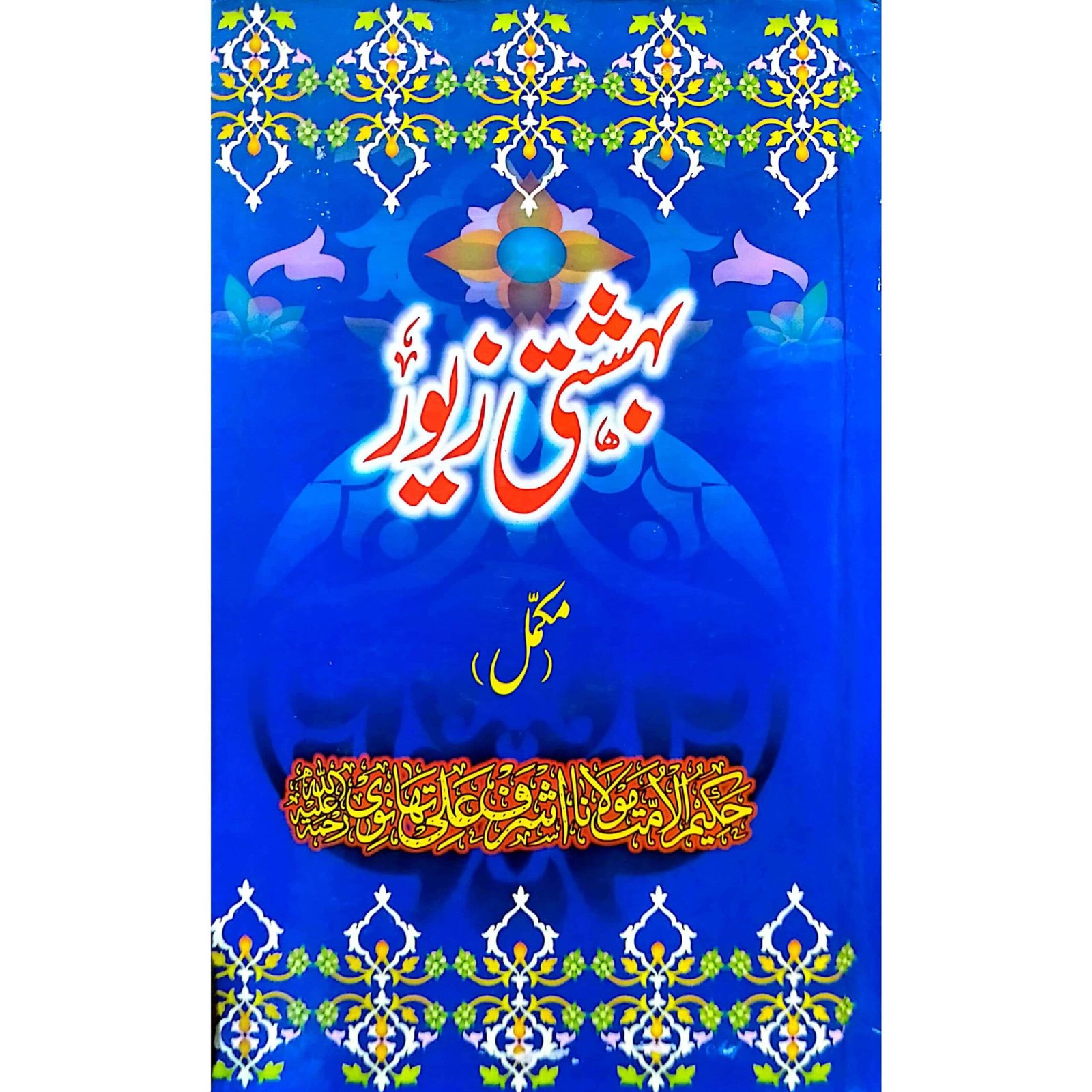
Bahishti Zewar By Maulana Ashraf Ali Thanvi R.A
جنت کا زیور: ایک کتاب جس نے گھروں کو مدرسہ بنایا
ایک ایسی کتاب جو گھر کی دہلیز تک علم لے آئی
بیسویں صدی کے آغاز کے شمالی ہندوستان کا کوئی گھر تصور کیجیے۔ ماں یا دادی بچوں کی پہلی استاد ہے، مگر خود شاید کبھی کسی مدرسے کی چوکھٹ پر نہ بیٹھی ہو۔ بیٹی کی شادی قریب ہے۔ اچانک نماز کے بارے میں کوئی سوال اٹھتا ہے، یا کسی پڑوسی کے قرض کا معاملہ، یا بیوہ کے حصے کی بات۔ قریب ترین عالم ایک دن کے سفر پر ہے اور سوال انتظار نہیں کر سکتا۔ ایسے بے شمار گھرانوں کے لیے ایک کتاب الماری میں رکھی ہوتی تھی جو ان سوالوں کا جواب بن جاتی تھی: بہشتی زیور، جسے بعض جگہ بہشتی زیور، بہشتی زیور یا Bihishti Zewar بھی لکھا جاتا ہے۔
نام ہی میں ایک پیغام ہے۔ اس زمانے میں زیور عورت کے وقار اور گھرانے کی شان کی علامت سمجھا جاتا تھا۔ یہ کتاب ایک اور قسم کا زیور پیش کرتی ہے، یعنی علم، سلیقہ اور کردار۔ اردو کی اسلامی کتابوں میں کم ایسی ہیں جنھیں اپنے قاری کا اتنا واضح تصور ہو۔ یہ کتاب اس شخص کو مخاطب کرتی ہے جو اس کی تعلیمات کو گھر کے اندر عمل میں لائے گا۔
A Book Meant for the Room Where Daily Life Happens
Imagine a household in northern India at the start of the twentieth century. The mother or grandmother is the family’s first teacher, yet she may never have sat in a classroom. A daughter is about to be married. A question comes up about prayer after a long illness, or about a debt owed to a neighbour, or about what share a widow is entitled to. The nearest scholar is a day’s journey away, and the question cannot wait. For countless families in that position, one book on the shelf was the answer: Bahishti Zevar, also written Bahishti Zewar or Bihishti Zewar.
The title is usually rendered “Heavenly Ornaments” or “Jewels of Paradise”. The image is deliberate. In a culture where jewellery marked a woman’s dignity and a family’s pride, the book offered a different kind of adornment: knowledge, discipline and character. The Urdu Islamic books of the period rarely had so clear a picture of their reader. This one is addressed to the person who would carry its teachings into the home.
مصنف: ایک عالم اور ایک مربّی
مولانا اشرف علی تھانوی تھانہ بھون (موجودہ اتر پردیش) میں انیسویں صدی کی چھٹی دہائی کے اوائل میں پیدا ہوئے اور ۱۹۴۳ء میں وفات پائی۔ ان کی سنِ پیدائش کے بارے میں محققین کے ہاں ۱۸۶۳ اور ۱۸۶۴ دونوں ملتے ہیں، اسی لیے محتاط لکھنے والے کسی ایک تاریخ پر اصرار نہیں کرتے۔ انھوں نے دارالعلوم دیوبند میں تعلیم پائی، جس کی اصلاحی فکر نے اُس نسل کو گہرا متاثر کیا۔ کچھ عرصہ تدریس کے بعد وہ اپنے وطن لوٹے اور خانقاہ امدادیہ سے وابستہ ہوئے، جو ان کے شیخ حاجی امداد اللہ مہاجر مکی سے منسوب روحانی تربیت کا مرکز تھی۔
اس پس منظر کو سمجھنا کتاب کو سمجھنے کے لیے ضروری ہے۔ تھانوی صرف فقیہ نہیں تھے، تزکیۂ نفس کے رہنما بھی تھے۔ ان کی تحریر میں فقہی باریکی اور انسان کی عملی زندگی کی فکر ساتھ ساتھ چلتی ہیں۔ ان کی معروف تصانیف میں اردو تفسیر “بیان القرآن” اور فتاویٰ کا مجموعہ “امداد الفتاویٰ” شامل ہیں۔ ان سے سینکڑوں تحریریں منسوب ہیں۔ باربرا ڈیلی میٹکاف، جن کی تحقیق اس کتاب پر انگریزی میں بنیادی حوالہ سمجھی جاتی ہے، لکھتی ہیں کہ ان میں سے بہت سی دراصل ان کے متعلقین نے لکھیں اور اپنے استاد کے نام کی طرف منسوب کر دیں، کیونکہ وہ اپنا سب کچھ انھی کا فیض سمجھتے تھے۔
یہ بات بہشتی زیور کے ضمن میں بھی سامنے آتی ہے۔ بعض مآخذ میں احمد علی فتح پوری کا نام بھی تھانوی کے ساتھ ملتا ہے اور تصنیف میں شرکت کے بارے میں اردو اور انگریزی تحقیق میں گفتگو ہوتی رہی ہے۔ جن اہلِ علم نے اس مسئلے کو دیکھا ہے وہ بدستور کتاب کو تھانوی کی طرف منسوب کرتے ہیں اور کتاب انھی کے اعتبار سے جانی جاتی ہے۔ پھر بھی یہ جاننا مفید ہے کہ اس روایت کی بہت سی کتابوں کی طرح اس کی تیاری میں اہلِ حلقہ کی ایک جماعت شامل رہی۔ اس سے زیادہ تفصیل کے لیے مخصوص تحقیق سے رجوع کرنا بہتر ہے۔
The Scholar Behind the Pages
The author, Maulana Ashraf Ali Thanvi, was born in Thana Bhawan, in present-day Uttar Pradesh, in the early 1860s and died in 1943. Scholarly sources give his birth year as 1863 or 1864, which is why careful writers avoid a single confident date. He studied at Darul Uloom Deoband, the seminary whose reformist outlook shaped much of his generation, and later spent years teaching before returning to his hometown. There he became associated with the Khanqah Imdadia, a centre for spiritual training linked to his own teacher, Haji Imdadullah Muhajir Makki.
That combination matters for understanding the book. Thanvi was not only a jurist; he was also a guide of souls. His writing joins the rigour of legal reasoning with a concern for how a person actually lives, and the same pairing appears throughout his work. He is remembered for an Urdu Quran commentary, Bayan al-Quran, and for Imdad al-Fatawa, a collection of legal rulings. A very large number of writings are attributed to him. Barbara Daly Metcalf, whose study of this book is the standard English-language treatment, notes that many of them were in fact composed by his followers, who attributed their work to the teacher to whom they felt they owed everything.
This bears on Bahishti Zevar. Some sources name Ahmad Ali Fatehpuri alongside Thanvi, and the question of how much was written by whom has been discussed in Urdu and English scholarship. Islamic scholars who have examined the matter continue to attribute the work to Thanvi, and the book carries his authority. It is nonetheless worth knowing that, like many works produced around a teacher in that tradition, its composition involved a circle of people. Anything more precise than that should be left to specialised research.
عورتوں کے لیے کتاب، اور اسی وقت کیوں؟
میٹکاف کے مطابق یہ کتاب بیسویں صدی کے ابتدائی برسوں میں لکھی گئی اور اس کا مقصد مسلمان لڑکیوں اور عورتوں کو دینی تعلیمات، شائستہ طرزِ عمل اور روزمرہ زندگی میں سمجھ داری کی تعلیم دینا تھا۔ وقت کا انتخاب بے سبب نہیں تھا۔ نوآبادیاتی دور میں شمالی ہند کے مسلم مصلحین دینی علم کی منتقلی کے بارے میں فکرمند تھے۔ پرانے ادارے کمزور پڑ رہے تھے، نئے اسکول مختلف ترجیحات رکھتے تھے، اور بہت سے گھروں میں ایسے رواج جڑ پکڑ چکے تھے جنھیں مصلحین دین سے غیر متعلق یا اس کے خلاف سمجھتے تھے۔ گھر کی نگہبان ہونے کے ناطے عورتیں اس فکر کا مرکز تھیں۔
تھانوی کا جواب یہ تھا کہ چند عوامی خطبوں پر اکتفا نہ کیا جائے، بلکہ سادہ اردو میں علم براہِ راست قاری کے ہاتھ میں رکھ دیا جائے۔ یہی اس کتاب کی تاریخی اہمیت کا اہم پہلو ہے۔ وہ عورت سے یہ نہیں کہتی کہ ہر مسئلے کے لیے کسی مرد کے واسطے سے دین تک پہنچو، بلکہ مسئلہ سمجھاتی ہے اور پڑھنے والی پر بھروسا کرتی ہے۔ اس دور کے سماجی مفروضوں کے بارے میں کوئی بھی رائے رکھے، یہ بنیادی تصور کہ عام عورت اپنا دین خود پڑھ سکے، اپنے زمانے میں بہت معنی خیز تھا۔ میٹکاف کا استدلال ہے کہ یہ متن اسلامی تعلیمات کے بارے میں عورتوں سے متعلق عام غلط فہمیوں کو چیلنج کرتا ہے۔ آج کا قاری ان کی شرح کے ساتھ متن پڑھ کر اس دعوے کو خود پرکھ سکتا ہے۔
Why a Book for Women, and Why Then?
Metcalf dates the book to the early 1900s and describes its aim as instructing Muslim girls and women in religious teachings, proper behaviour and the prudent conduct of everyday life. The timing makes sense. Under colonial rule, Muslim reformers in north India worried about the transmission of religious knowledge. Old institutions had weakened, new schools followed different priorities, and customs had accumulated in many households that reformers considered unrelated to the faith or contrary to it. Women, as the guardians of home life, were central to that concern.
Thanvi’s answer was not to rely on a few public lectures but to put knowledge directly into the hands of readers, in plain Urdu. This is the book’s most important historical feature. It does not ask a woman to approach religion through a male intermediary for every question; it explains the matter and trusts her to read it. Whatever one thinks of the social assumptions of its era, the premise that ordinary women should be able to study their religion for themselves was meaningful in its time. Metcalf argues that the text challenges widely held stereotypes about what Islamic teaching says about women, and readers of today can judge that claim by reading it with her commentary.
کتاب کی ترتیب
بہشتی زیور کوئی ایک مسلسل دلیل نہیں، بلکہ حصوں (جنھیں حصے یا کتابیں کہا جاتا ہے) میں تقسیم ایک بڑی رہنما کتاب ہے۔ علمی بیانات میں عموماً دس حصوں کا ذکر ملتا ہے، جبکہ اردو کے کئی مطبوعہ نسخوں میں گیارہواں حصہ بھی شامل ہوتا ہے، جو عام طور پر مزید مسائل اور ہدایات پر مشتمل ضمیمہ ہوتا ہے۔ چونکہ مختلف اشاعتوں میں مواد کی تقسیم اور پیشکش مختلف ہوتی ہے، اس لیے گیارہ حصوں کی ترتیب کو عام تو کہا جا سکتا ہے، سب پر یکساں لاگو نہیں۔ دو نسخوں کا موازنہ کرنے والے قاری کو حصہ بندی میں فرق ملے تو تعجب نہیں ہونا چاہیے۔
جو چیز مستقل رہتی ہے وہ پوری کتاب کا منطقی ڈھانچا ہے۔ آغاز عقیدے سے ہوتا ہے، کیونکہ مصنف کے نزدیک درست بنیاد کے بغیر عمل کھوکھلا رہتا ہے۔ پھر طہارت اور نماز، پھر عبادت کے دوسرے ارکان، اور پھر ذات سے نکل کر خاندان، بازار اور معاشرے تک سلسلہ پھیلتا ہے۔ اس میں ایسا مواد بھی ہے جو احکام کی کتاب میں غیر معمولی سمجھا جاتا ہے: اخلاقی تأملات، حکایات اور صحت سے متعلق مشورے۔
How the Book Is Built
Bahishti Zevar is not a single continuous argument. It is a large handbook arranged in parts, usually called books or sections. Most scholarly descriptions speak of ten parts, and a number of printed Urdu editions add an eleventh, commonly a supplement with further rulings and guidance. Because editions differ in how they divide and present the material, the eleven-part arrangement should be read as common rather than universal. A reader comparing two prints should not be surprised to find different groupings.
What stays constant is the logic of the whole. The book begins from belief, because practice without a sound foundation, in the author’s view, would be hollow. It moves to purification and prayer, then to the other pillars of worship, and then outward from the self to the family, the marketplace and the community. It also contains material that is unusual for a book of rulings: moral reflection, narrative and advice on health.
عقیدے سے پاکیزگی اور عبادت تک
ابتدائی حصے عقائد اور غلط تصورات کی اصلاح سے متعلق ہیں۔ تھانوی کو ان عقائد اور رسموں کی فکر تھی جو ان کے خیال میں مسلمان گھروں میں در آئی تھیں اور دین کی صاف صورت کو دھندلا کر رہی تھیں۔ کتاب کے کچھ حصے براہِ راست انھی کا ذکر کرتے ہیں، جو اسے اصلاحی مزاج دیتا ہے۔ قاری کو صرف یہ نہیں بتایا جاتا کہ کیا کرنا ہے، یہ بھی بتایا جاتا ہے کہ کس سے رک جانا ہے۔
اس کے بعد طہارت کے احکام آتے ہیں، جو اسلامی فقہ میں ایک فطری اگلا قدم ہے، کیونکہ اس کے بغیر نماز درست نہیں ہوتی۔ چنانچہ نماز سے پہلے وضو، غسل اور پاکیزگی کی دوسری شرائط بیان ہوتی ہیں۔ یہ ترتیب اسی حنفی فقہی روایت کے مطابق ہے جس پر کتاب قائم ہے۔ پھر نماز نمایاں جگہ پاتی ہے، اور اس کے ساتھ روزہ، زکوٰۃ اور حج۔ ایک گھر میں سب سے زیادہ یہی سوال اٹھتے تھے، اور کتاب انھیں عملی تفصیل سے سمجھاتی ہے: کسی خاص صورتِ حال میں کیا کرنا چاہیے، اور کچھ غلط ہو جائے تو اس کا کیا نتیجہ ہے۔
From Belief to Purity and Worship
The opening sections deal with creed and with the correction of mistaken ideas. Thanvi was concerned with beliefs and customs that, in his view, had crept into Muslim households and obscured the faith. Parts of the book address these directly, which gives the work its reformist character. The reader is told not only what to do but also what to stop doing.
The rules of purification follow, which is a natural next step in Islamic law. Prayer cannot be valid without it, so ablution, ritual bathing and the other conditions of cleanliness are explained before the prayer itself. This ordering reflects how the Hanafi legal tradition, which the book follows, organises its manuals. Prayer then occupies a prominent place, along with fasting, charity and pilgrimage. For a household, these were the questions that came up most often, and the book treats them with the practical detail of a manual: what a person should do in a specific situation, and what the consequences are if something goes wrong.
نکاح، مال اور روزمرہ معاشرت
آگے کے حصے سماجی زندگی کی عام صورتوں کی طرف آتے ہیں: نکاح اور خاندانی رشتے، خرید و فروخت، قرض اور معاہدے، اور وراثت کی تقسیم۔ یہ مجرد موضوعات نہیں تھے۔ خاص طور پر وراثت ایسا میدان تھا جہاں رواج اکثر شرعی حکم سے ہٹ جاتا تھا اور اس کا نقصان عموماً عورتوں کو اٹھانا پڑتا تھا۔ ان احکام کو ایک آسان کتاب میں بیان کر کے مصنف نے متعلقہ علم ان کے ہاتھ میں رکھ دیا جو اس سے متاثر ہوتے تھے۔
قانونی مواد کے ساتھ سلوک اور آداب کی بھی خاصی جگہ ہے: گھر کے اندر برتاؤ، رشتہ داروں اور پڑوسیوں سے معاملہ، اور ان عادتوں سے بچاؤ جو تعلقات کو نقصان پہنچاتی ہیں۔ یہاں کتاب کی دوسری شناخت ابھرتی ہے، یعنی محض فقہ کی نہیں بلکہ اخلاق اور روحانی تربیت کی کتاب۔ صبر، شکر، عاجزی اور اخلاص جیسی باطنی صفات کو ظاہری احکام سے الگ نہیں سمجھا گیا۔ تصوف کی روایت میں پروان چڑھنے والے مصنف کے لیے یہ ہم آہنگی فطری تھی۔
Marriage, Property and the Rest of Daily Life
The sections that follow turn to the situations of ordinary social existence: marriage and family relations, buying and selling, debts and agreements, and the division of inheritance. These were not abstract topics. Inheritance in particular was an area in which customary practice often departed from what Islamic law prescribes, and women were frequently the ones affected. By setting out the rules in an accessible book, the author placed the relevant knowledge where those affected could read it.
Alongside the legal material is a considerable amount of attention to conduct: manners within the home, treatment of relatives and neighbours, and the avoidance of habits that damage relationships. This is where the book shows its second identity, as a work of ethics and spiritual discipline rather than only law. The inward side of faith, including patience, gratitude, humility and sincerity, is treated as inseparable from the outward rules. For a author formed within a Sufi tradition, that integration was natural.
حکایات، صحت اور غیر متوقع گوشے
دو حصے خاص طور پر توجہ چاہتے ہیں کیونکہ وہ اس قاری کو حیران کرتے ہیں جو صرف مسائل کا مجموعہ سمجھ کر کتاب کھولتا ہے۔ ایک حصہ نیک عورتوں کے قصوں پر مشتمل ہے (میٹکاف کی فہرست میں آٹھواں حصہ “Stories of Good Women” کے عنوان سے ہے)۔ اس میں اسلامی تاریخ کی عبادت گزار خواتین کے واقعات نمونے کے طور پر پیش کیے گئے ہیں۔ یہ انداز کلاسیکی اسلامی ادب میں معروف ہے: قانون بتاتا ہے کہ کیا لازم ہے، اور مثالی زندگیاں دکھاتی ہیں کہ اس پر عمل کیسے ہو سکتا ہے۔
نواں حصہ صحت سے متعلق ہے۔ اسامہ یاسین انصاری نے اس پر ایک تحقیقی مقالہ لکھا ہے جس کا مرکزی خیال یہ ہے کہ تندرستی کا خیال رکھنا بھی دین کا حصہ ہے۔ ایسے حصے کا ہونا ہی بتاتا ہے کہ مصنف نے دینی تعلیم کو کتنی وسعت سے سمجھا۔ صحت، گھر داری اور روزمرہ معمول دین سے باہر نہیں تھے، وہ مومن کی ذمہ داری کا حصہ تھے، اور گھر کی رہنمائی کرنے والی کتاب کو ان پر بھی بات کرنی تھی۔
Stories, Health and the Unexpected Corners
Two parts deserve particular mention because they surprise readers who expect a legal digest. One section, known as the book of stories of good women, presents accounts of devout women from Islamic history as models. The impulse is familiar from classical Islamic literature: law explains what is required, and exemplary lives show how it can be lived.
Another, the ninth part, concerns health. The scholar Usamah Yasin Ansari has studied it in an academic article on the idea that caring for one’s health is itself a matter of religion. The mere presence of such a section tells us how broadly the author understood religious education. Health, domestic management and daily routine were not outside the faith; they were part of the duty of a believer, and a book meant to guide a household had to speak to them.
اس کا پھیلاؤ کیسے ہوا
یہ کتاب اپنے مصنف کے حلقے سے بہت آگے پہنچی۔ بار بار چھپی، دوسری زبانوں میں ترجمہ ہوئی، اور بعض گھرانوں میں بیٹیوں کو شادی کے موقع پر دی جاتی رہی۔ میٹکاف کا انگریزی ترجمہ “Perfecting Women” ۱۹۹۰ء میں شائع ہوا اور بعد میں نئے ایڈیشن کی صورت میں بھی آیا، جس سے کتاب کا جزوی تعارف علمی حلقوں تک پہنچا۔ چونکہ یہ ترجمہ جزوی اور شرح کے ساتھ ہے، اس لیے مکمل متن کے خواہش مند قاری کو مکمل اردو نسخوں یا مکمل ترجمے سے رجوع کرنا چاہیے، یہ سمجھ کر نہیں کہ اس جلد میں سب کچھ آ گیا ہے۔
اس پھیلاؤ کی کئی وجوہ ہیں: زبان سادہ ہے، ساخت عملی ہے، اور مواد حقیقی سوالوں کے گرد ترتیب دیا گیا ہے نہ کہ نظریاتی بحثوں کے۔ یہ قاری کو سیکھنے کے قابل سمجھتی ہے۔ اور یہ ایسے وقت میں آئی جب بہت سے خاندان ایک ایسا معتبر مرجع چاہتے تھے جو گھر میں رکھا جا سکے۔
What Made It Spread
The book reached far beyond the community around its author. It was reprinted many times, translated into other languages, and given in some families to girls at marriage. Metcalf’s English translation, Perfecting Women, was published in 1990 and later in a new edition, which brought a partial version to an academic audience. Because the translation is partial and accompanied by commentary, anyone seeking the full text should consult complete Urdu editions or a full translation rather than assume Metcalf’s volume contains everything.
Several features explain this circulation. The language is plain, the structure is practical, and the material is organised around real questions rather than theoretical ones. It treats the reader as capable of learning. And it appeared at a time when many families wanted a trustworthy single reference they could keep at home.
آج اس کتاب کو کیسے پڑھا جائے
آج کے قاری کو کتاب کو وہی سمجھنا چاہیے جو وہ ہے: اپنے زمانے کی تصنیف، ایک خاص جماعت کے لیے، ایک خاص سماجی ماحول میں، اور ایک خاص فقہی مکتب کے دائرے میں۔ اس کے بعض سماجی مفروضے بیسویں صدی کے اوائل کے شمالی ہند کی عکاسی کرتے ہیں نہ کہ ہر دور کے حالات کی، اور آج کا قاری فطری طور پر پوچھے گا کہ کون سی باتیں دائمی ہیں اور کون سی حالات سے جڑی ہوئی۔ یہ جائز سوال ہے اور اسی روایت کی علمی ریت اس کی حوصلہ افزائی کرتی ہے۔ موجودہ دور کے احکام کے بارے میں سوالات مستند علما سے پوچھنا بہتر ہے، کسی ایک تاریخی رہنما کتاب پر فیصلہ چھوڑنا نہیں۔
پھر بھی چند اسباق آج بھی قائم ہیں۔ پہلا یہ کہ دینی علم عام لوگوں کی پہنچ میں اور ان کی سمجھ کی زبان میں ہونا چاہیے۔ دوسرا یہ کہ ایمان زندگی کے ہر پہلو کو گھیرتا ہے، عبادت سے بازار تک اور دسترخوان تک، اور روحانی و عملی کے درمیان دیوار نہیں اٹھاتا۔ تیسرا یہ کہ قانون اور کردار ساتھ چلتے ہیں: کتاب کوئی حکم یوں ہی نہیں چھوڑتی، یہ بھی بتاتی ہے کہ وہ حکم کس طرح کے انسان کی تشکیل چاہتا ہے۔
اسلامی تعلیمی ادب میں دلچسپی رکھنے والوں کے لیے یہ ایک قیمتی تاریخی ماخذ بھی ہے۔ اس سے معلوم ہوتا ہے کہ ایک اصلاحی عالم مسلمان گھر کا کیا نقشہ دیکھتا تھا، اسے کیا خطرات نظر آتے تھے اور اس نے ان کا کیا جواب دیا۔ میٹکاف کی تحقیق اور دوسرے مطالعات کے ساتھ پڑھنے سے تصویر کہیں مکمل ہو جاتی ہے۔
Reading It Today
A modern reader should approach the book as what it is: a work of its time, written for a particular community, in a particular social setting, within a particular school of legal thought. Some of its social assumptions reflect early-twentieth-century north India rather than universal conditions, and a reader today will naturally ask which parts are timeless and which are bound to circumstance. That is a fair question, and the book’s own tradition of scholarship encourages it. Questions of present-day rulings are best put to qualified scholars rather than settled by a single historical handbook.
Several lessons, however, hold up well. The first is the idea that religious knowledge should be within reach of ordinary people, in a language they understand. The second is the treatment of faith as something that covers the whole of life, from worship to the marketplace to the dinner table, without a wall between the spiritual and the practical. The third is the combination of law and character: the book never lets a rule stand without asking what sort of person the rule is meant to shape.
For anyone interested in Islamic educational literature, it is also a rich historical source. It shows how a reformist scholar imagined the Muslim home, what he thought was at risk, and how he tried to respond. Reading it alongside Metcalf’s study and other scholarship gives a fuller picture than either could alone.
وہ زیور جو نمائش کے لیے نہیں تھا
نام میں ایک خاموش دلیل ہے۔ عام زیور دکھانے کے لیے پہنا جاتا ہے، جبکہ اس کتاب کا زیور باطن کا ہے اور کردار میں جھلکتا ہے۔ اس کے ہر فیصلے سے اتفاق ہو یا نہ ہو، اس کا دیرپا کارنامہ واضح ہے: اس نے دینی تعلیم کو درس گاہ سے نکال کر گھر میں پہنچایا، اور اپنے پڑھنے والوں کو یہ سکھایا کہ علم، دیانت اور اچھا اخلاق ہی وہ چیزیں ہیں جنھیں سب سے بڑھ کر اپنایا جانا چاہیے۔
The Ornament That Was Never Meant for Display
The title makes a quiet argument. Jewellery is worn to be seen; this book’s ornaments are the kind that are worn inwardly and show in conduct. Whether or not one agrees with every judgement in its pages, its lasting contribution is clear. It took religious learning out of the lecture hall and put it into the household, and it asked its readers to treat knowledge, honesty and good character as the things most worth owning.
انگریزی میں مطالعہ اور کتاب کے حصوں کا نقشہ
جو قارئین انگریزی میں پڑھنا زیادہ آسان سمجھتے ہیں، وہ بھی اس کتاب سے محروم نہیں۔ بہشتی زیور کا انگریزی اور کئی دوسری زبانوں میں ترجمہ ہو چکا ہے۔ باربرا ڈیلی میٹکاف کی Perfecting Women جزوی ترجمہ ہے جس کے ساتھ شرح بھی ہے، اور کتاب کا تاریخی پس منظر سمجھنے کے لیے مفید ہے۔ مکمل متن پڑھنا ہو تو کتاب کا مکمل انگریزی ایڈیشن دیکھیں۔
کتاب کو عموماً دس حصوں پر مشتمل بتایا جاتا ہے، اور اردو کے کئی مطبوعہ نسخوں میں گیارہواں حصہ ضمیمے کی صورت میں شامل ہوتا ہے۔ مختلف ایڈیشنوں میں مواد کی تقسیم اور ترتیب مختلف ہو سکتی ہے۔ ایک عام دستیاب انگریزی ایڈیشن میں دس حصے اس طرح ہیں:
- 1: سچی حکایات
- 2:عقائد
- 3: غلط عقائد اور غلط اعمال
- 4: نماز اور اس کے فضائل
- 5:روزہ، زکوٰۃ، قربانی، حج، نذر، ارتداد، حلال و حرام اور متعلقہ مسائل
- 6:نکاح، طلاق، عدت، نفقہ، حضانت، زندوں کے حقوق اور تلاوتِ قرآن
- 7: تجارت کے اصول اور کسبِ مال
- 8:آداب و اخلاق، اصلاحِ قلب، اعمال اور ان کی جزا و سزا، اور علاماتِ قیامت
- 9: نیک خواتین کے حالات
- 10: صحت کے مسائل اور آداب
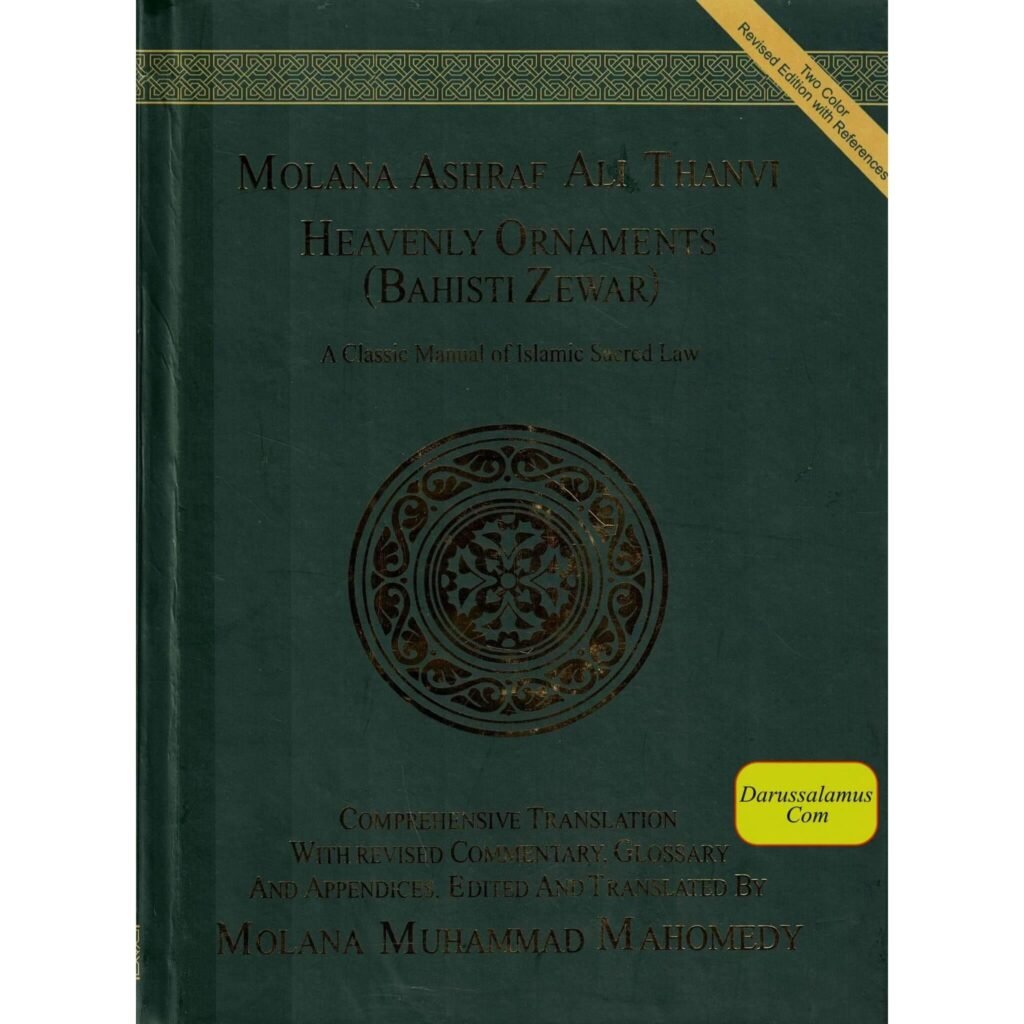
Reading It in English, and a Map of Its Parts
Readers who are more comfortable in English do not have to miss out. Bahishti Zevar has been translated into English and several other languages. Barbara Daly Metcalf’s Perfecting Women is a partial translation with commentary, useful for understanding the book’s history and context. For the complete text, look for a full English edition of the work.
The book is most often described as having ten parts, and many Urdu printings add an eleventh part as a supplement. Editions group and number the material differently. One commonly available English edition arranges the ten parts as follows:
- 1: True Stories
- 2: Beliefs
- 3: Incorrect Beliefs and Actions
- 4: Salat (Prayer) and Its Virtues
- 5: Fasting, Zakat, Qurbani, Hajj, Vows, Apostasy, Halal and Haram, and related matters
- 6: Marriage, Divorce, Iddah, Maintenance, Custody, and the Rights of the Living, and Reciting the Quran
- 7: Principles of Business and the Pursuit of Wealth
- 8:Etiquette, Manners, Reformation of the Heart, Deeds and Their Retribution, and the Signs of Qiyamah
- 9: The Lives of Pious Women
- 10: Health Matters and Etiquette